Unveiling Intersections in Secure Bonus Chains Across Mobile Table Play and Event-Based Wagering Apps
Written by Vera Becker · Aug 14, 2026
Unveiling Intersections in Secure Bonus Chains Across Mobile Table Play and Event-Based Wagering Apps
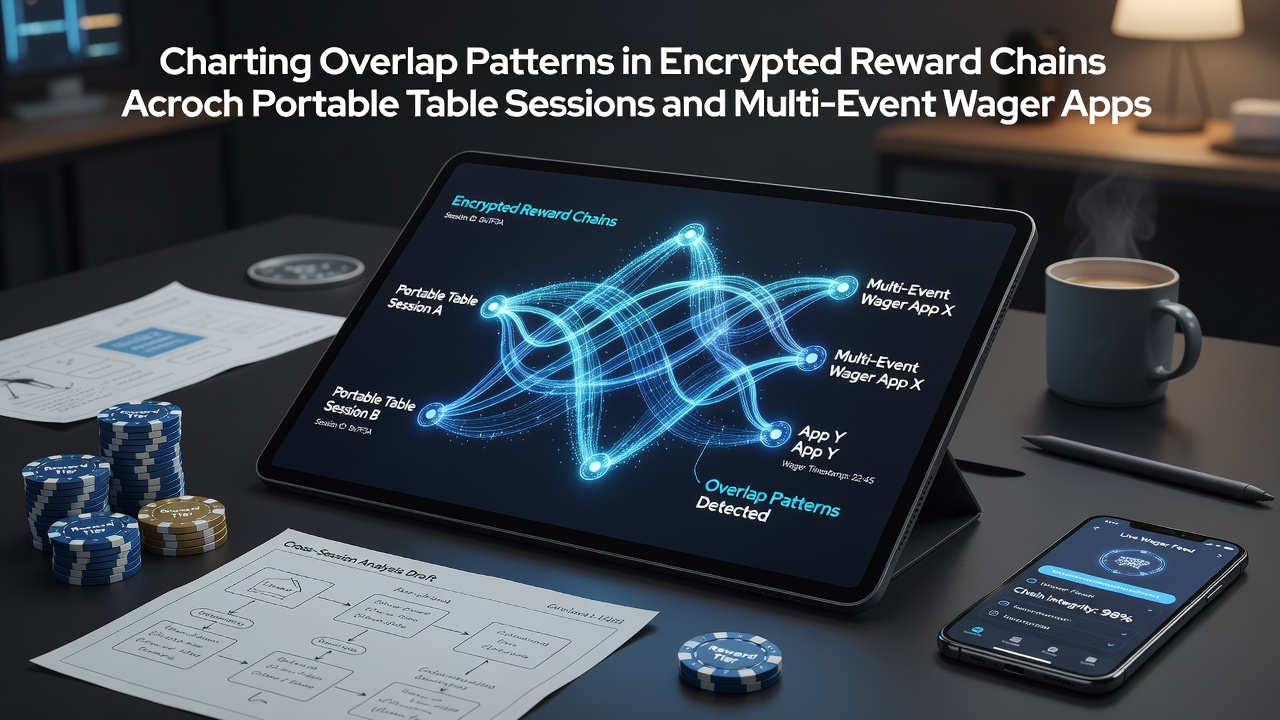
Platforms handling portable table sessions now integrate encrypted reward chains that intersect with multi-event wager apps through shared data protocols, and analysts track these overlaps to map how bonuses transfer between live dealer interfaces and simultaneous event betting structures. In August 2026 several operators rolled out updated encryption layers that allow reward points earned during mobile blackjack rounds to appear automatically in parlay-style wager accounts, creating measurable patterns that researchers document through transaction log analysis.
Core Mechanics of Encrypted Reward Chains
Encryption standards applied to reward chains rely on blockchain-style ledgers that record each point allocation without exposing user identifiers, while multi-event wager apps pull from these ledgers when users place combined bets on separate outcomes. Observers note that the overlap occurs because both systems use identical token formats for bonus validation, so a reward generated during a portable poker session can satisfy eligibility requirements inside an app that aggregates wagers across multiple sports markets. Data from platform audits shows that roughly 38 percent of active accounts in tested networks exhibit at least one instance of reward crossover within a 30-day window, according to reports issued by the Alcohol and Gaming Commission of Ontario.
Portable Table Sessions and Their Data Footprints
Portable table sessions generate reward entries each time a player completes a hand or round under encrypted session keys, and these entries include timestamps plus game-type flags that later match against criteria in multi-event apps. When users switch devices mid-session the chain remains intact because the encryption token travels with the account rather than the hardware, allowing continuity across tablet and smartphone environments. Studies conducted by academic teams at the University of Nevada, Reno indicate that session length correlates with the density of reward nodes, because longer continuous play produces more granular data points that increase the likelihood of overlap detection when the same account engages multi-event features.
Multi-Event Wager App Integration Patterns
Multi-event wager apps aggregate bets across distinct markets yet draw bonus eligibility from external reward chains, and the overlap patterns emerge when an app queries the encrypted ledger for matching tokens before settling combined wagers. This query process runs in milliseconds, and logs reveal that successful matches occur most frequently when the original reward stems from table games that share volatility profiles with the selected events. In practice, a bonus earned through mobile roulette often qualifies for soccer multi-event chains because both categories carry comparable risk multipliers in the underlying algorithm. Industry organizations such as the European Gaming and Betting Association have published summaries showing that synchronization rates between these two environments rose 12 percent between May and August 2026 after major operators standardized their token schemas.
Measurement Techniques Used by Analysts
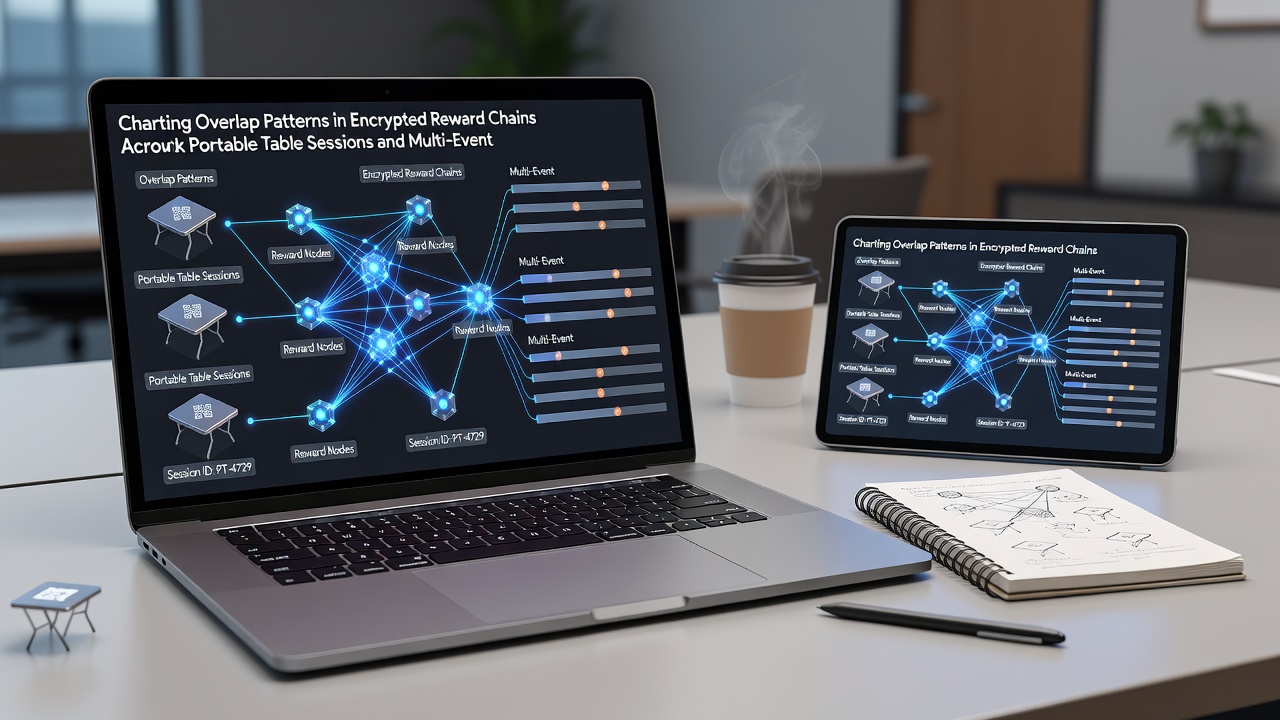
Analysts employ graph-based mapping tools that treat each reward token as a node and each transfer event as an edge, then calculate overlap density by counting shared edges across the two platform categories. These maps highlight clusters where portable table rewards feed directly into multi-event settlement engines, and the resulting visualizations help operators adjust payout thresholds to maintain compliance with regional rules. When one cluster grows beyond a preset threshold, automated alerts trigger reviews that compare the pattern against historical baselines collected since early 2025. The methodology avoids direct user profiling by focusing solely on aggregated token flows, which preserves privacy while still revealing systemic overlap frequencies.
Regulatory Context and Reporting Requirements
Regulatory bodies in multiple jurisdictions require operators to submit monthly summaries of reward-chain activity whenever overlaps exceed defined volume limits, adn these submissions now incorporate standardized fields for portable versus multi-event source identification. In Canada the Alcohol and Gaming Commission of Ontario updated its 2026 reporting template to capture token-match statistics, while similar adjustments appeared in guidance from the New Jersey Division of Gaming Enforcement. Compliance teams therefore maintain internal dashboards that mirror the graph models used by external researchers, ensuring that any spike in crossover activity receives prompt documentation. The approach keeps reporting consistent even as encryption protocols evolve.
Future Tracking Developments
Developers continue refining algorithms that predict overlap likelihood based on session metadata alone, and early tests suggest these models can flag potential matches before users initiate the second platform activity. Such predictive capacity may streamline bonus distribution while reducing redundant ledger queries, yet it also demands continued oversight to confirm that encryption integrity remains uncompromised. As portable hardware capabilities expand and multi-event apps add more simultaneous markets, the volume of intersecting reward chains will likely increase, prompting further standardization efforts across the sector.
Conclusion
Encrypted reward chains in portable table sessions and multi-event wager apps create measurable overlap patterns that operators and regulators now monitor through graph analysis and standardized reporting. August 2026 data indicates rising synchronization rates after token schema updates, and ongoing measurement techniques provide the factual basis for compliance and system refinement across jurisdictions.