The Architecture of Reward Linkages Connecting Prediction Chains to Live Dealer Sequences in Handheld Betting Ecosystems
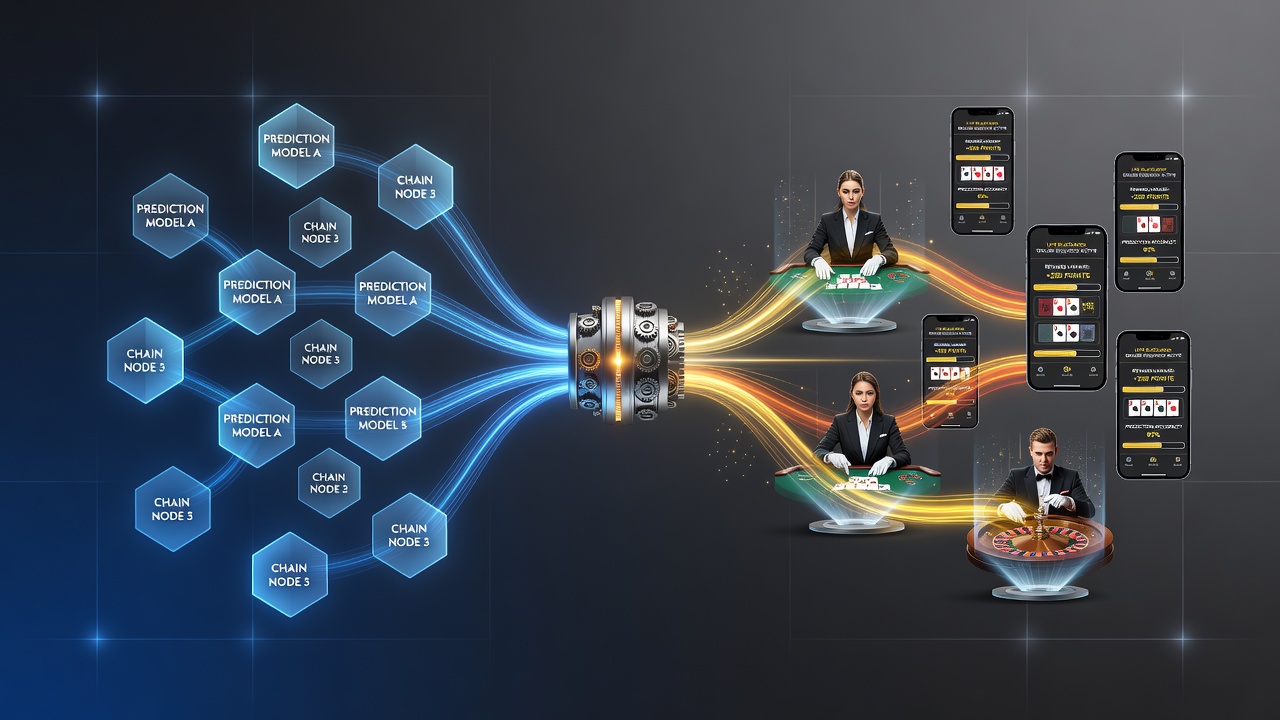
Handheld betting ecosystems rely on layered architectures that tie prediction chains to live dealer sequences through reward linkages designed to process real-time data across mobile networks. These systems use modular software components where prediction engines feed outputs into central reward management modules while live dealer streams supply sequence data that triggers conditional bonuses or multipliers. Developers structure the connections around application programming interfaces that maintain synchronization between user inputs on handheld devices and backend servers handling dealer interactions.
Core Technical Layers in Mobile Betting Systems
Prediction chains form the initial layer through algorithms that analyze historical betting patterns and generate sequential forecasts for events such as sports outcomes or game results. These chains connect to reward linkages via data pipelines that assign points or credits based on chain completion rates. Live dealer sequences operate in a parallel layer where video feeds and game state updates from physical tables transmit through secure streaming protocols to mobile interfaces. Reward systems then evaluate matches between predicted elements and actual dealer actions to activate payouts or bonus rounds.
Observers note that integration occurs at the middleware level where event listeners monitor both prediction outputs and dealer sequence milestones. This setup allows for dynamic adjustments when a prediction chain reaches a threshold that aligns with a specific sequence phase such as a card reveal or wheel spin. Data synchronization relies on timestamped logs that prevent latency issues common in handheld environments with variable network conditions.
Integration Mechanisms Between Predictions and Dealer Actions
Prediction chains transmit structured data packets containing probability scores and sequence steps to the reward engine. Live dealer platforms generate corresponding sequence identifiers that the engine cross-references against active chains. When alignments occur the system applies reward multipliers according to predefined rulesets stored in configuration databases. Researchers have documented these processes in technical reports that highlight the use of event-driven architectures to handle simultaneous inputs from thousands of handheld sessions.
According to data from the New Jersey Division of Gaming Enforcement, mobile platforms processed increasing volumes of linked prediction and live dealer transactions through 2026, with architecture updates focused on reducing processing delays. The linkages incorporate cryptographic verification steps to ensure sequence authenticity before rewards distribute to user accounts. This prevents discrepancies between predicted outcomes and verified dealer results in real-time environments.
Handling Sequences in Live Dealer Environments
Live dealer sequences consist of ordered events such as card draws or roulette spins that handheld applications capture through integrated streaming and state tracking modules. Reward linkages map these sequences to prediction chain nodes by matching attributes like outcome values or timing intervals. Systems employ graph-based models where each node represents a prediction step and edges connect to sequence triggers that unlock rewards upon completion.

Those who study these ecosystems point out that handheld devices receive updated sequence data via low-latency protocols that maintain consistency across global time zones. In June 2026 several platforms expanded their use of edge computing nodes to process these linkages closer to end users which improved response times during peak live dealer hours. The architecture further incorporates fallback mechanisms that queue rewards if network interruptions occur during a sequence.
Data Flow and Security Considerations
Data moves from prediction chain generators through secure channels to reward calculators that reference live dealer logs. Security protocols encrypt both prediction data and sequence records to protect against interception in mobile transmissions. Regulatory bodies in various regions including the Nevada Gaming Control Board have outlined requirements for audit trails that document every linkage activation between chains and sequences.
Additional verification occurs through checksum comparisons that confirm sequence integrity before rewards finalize. Industry reports from the Australian Gambling Research Centre indicate that such architectures support scalable operations across multiple handheld operating systems while maintaining compliance with jurisdictional standards. The reward linkages also allow for conditional branching where partial chain matches can still generate smaller incentives tied to specific dealer sequence segments.
Conclusion
The architecture of these reward linkages continues to evolve through refinements in data integration and sequence tracking methods. Platforms maintain operational efficiency by balancing prediction chain complexity with live dealer responsiveness in handheld formats. Ongoing developments focus on optimizing these connections for broader accessibility while adhering to established technical and regulatory frameworks.