Synchronizing Player Profiles Across Decentralized Networks and Reel Platforms
Written by Rosa Becker · Jul 17, 2026
Synchronizing Player Profiles Across Decentralized Networks and Reel Platforms
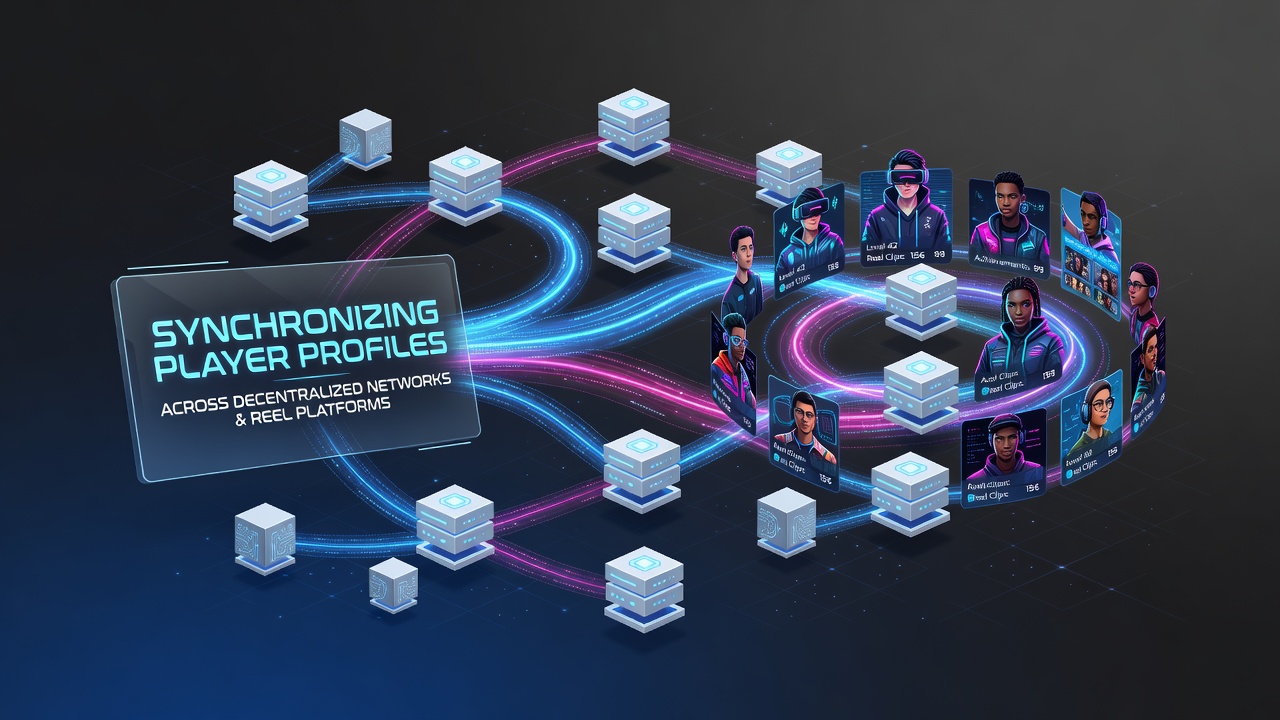
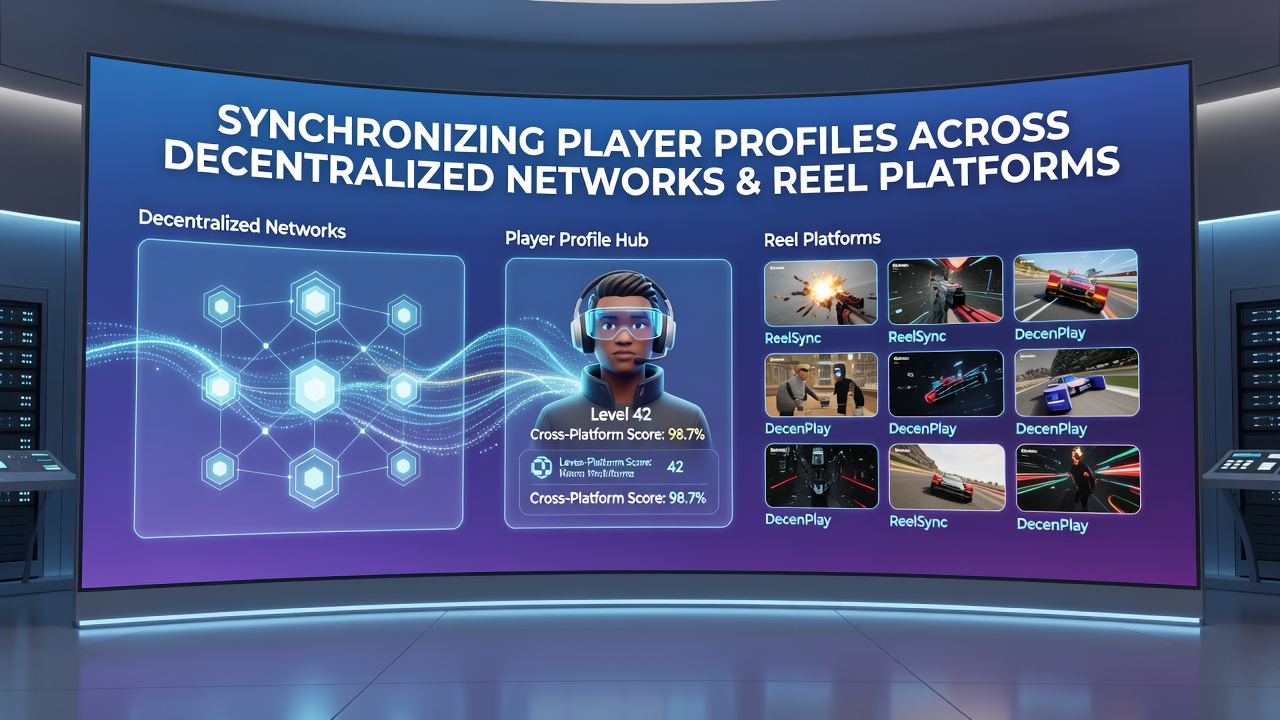
Decentralized networks have started reshaping how player profiles move between reel platforms, and the process relies on distributed ledgers rather than single servers. Reel platforms handle slot-style games where symbols align on virtual reels, and operators now integrate these systems with blockchain protocols to maintain continuity for users who switch devices or sites. According to data from the European Gaming and Betting Association, cross-platform activity rose sharply through early 2026 as developers adopted protocols that let profile elements such as balances, preferences, and achievement records travel without central storage.
Operators achieve synchronization by storing encrypted profile fragments across multiple nodes. Each node validates updates through consensus mechanisms before the data becomes available on any connected reel platform. Smart contracts execute the rules for access and updates, which means a player who begins a session on one network can resume elsewhere once the ledger confirms the latest state. This approach reduces downtime and supports seamless transitions during peak hours.
Core Technologies Driving Profile Sync
Distributed ledger technology forms the backbone, while zero-knowledge proofs allow verification without exposing full details. Reel platforms query the ledger for current profile status, then load personalized settings such as reel speed preferences or bonus history. In July 2026 several mid-sized operators reported successful tests of these queries completing in under two seconds across global node clusters. The same tests showed that profile elements like loyalty points remained consistent even when users moved between networks hosted in different regions.
Additional layers include sidechains that handle high-volume transactions separately from the main ledger. Sidechains reduce congestion during busy periods, and they periodically anchor summaries back to the primary chain. Observers note that this layered structure helps reel platforms maintain performance while still benefiting from the security of the broader decentralized system.
Regulatory and Compliance Considerations
Regulators in multiple jurisdictions require that player data remain accessible for audits. Decentralized setups meet these demands through permissioned nodes that grant read access to authorized bodies. Research published by the Canadian Gaming Association indicates that permissioned ledgers have allowed operators to share verification data with oversight agencies while keeping sensitive fields restricted. Compliance teams therefore receive timestamped records without needing to request information from a single company database.
Operators also embed geo-fencing rules directly into smart contracts. When a profile attempts access from a restricted location, the contract denies the query before any reel platform loads the session. This automation aligns with rules from bodies such as those in Australia and parts of the European Union, where location verification forms a standard requirement.
Implementation Patterns Observed in 2026
Early adopters began by linking existing reel platforms to public testnets before moving to private consortium chains. Consortium chains involve multiple operators sharing governance, which spreads both cost and oversight. One documented rollout involved three separate reel platforms pooling nodes to host a shared profile ledger, and figures released in mid-2026 showed a 34 percent drop in duplicate account creation after the system went live.
Developers further refined the process by adding event-driven triggers. When a player completes a reel spin, the outcome and updated balance push to the ledger as a single atomic transaction. Other platforms then read the new state on demand. This event model replaced older polling methods that consumed more bandwidth and introduced slight delays.
Security Measures and Data Integrity
Encryption standards applied at the node level protect profile fields both in transit and at rest. Multi-signature requirements mean that any change to core data, such as verified identity markers, needs approval from several designated keys. Industry reports from the Interactive Gaming Council highlight that multi-signature setups have reduced unauthorized access attempts across tested networks.
Regular node health checks and automatic failover routing keep the system responsive even if individual nodes drop offline. Reel platforms therefore experience fewer interruptions, and profile synchronization continues through alternate paths until the affected node rejoins the network.
Conclusion
Profile synchronization across decentralized networks and reel platforms now operates through established ledger protocols, smart contracts, and permissioned access controls. Data from industry associations and regulatory filings show measurable improvements in session continuity and compliance reporting. As more operators integrate these tools, the underlying infrastructure continues to evolve around performance benchmarks recorded through 2026.