Synchronizing Encrypted Transaction Logs With Adaptive Risk Models in Cross-Platform Live Poker and Slot Sessions
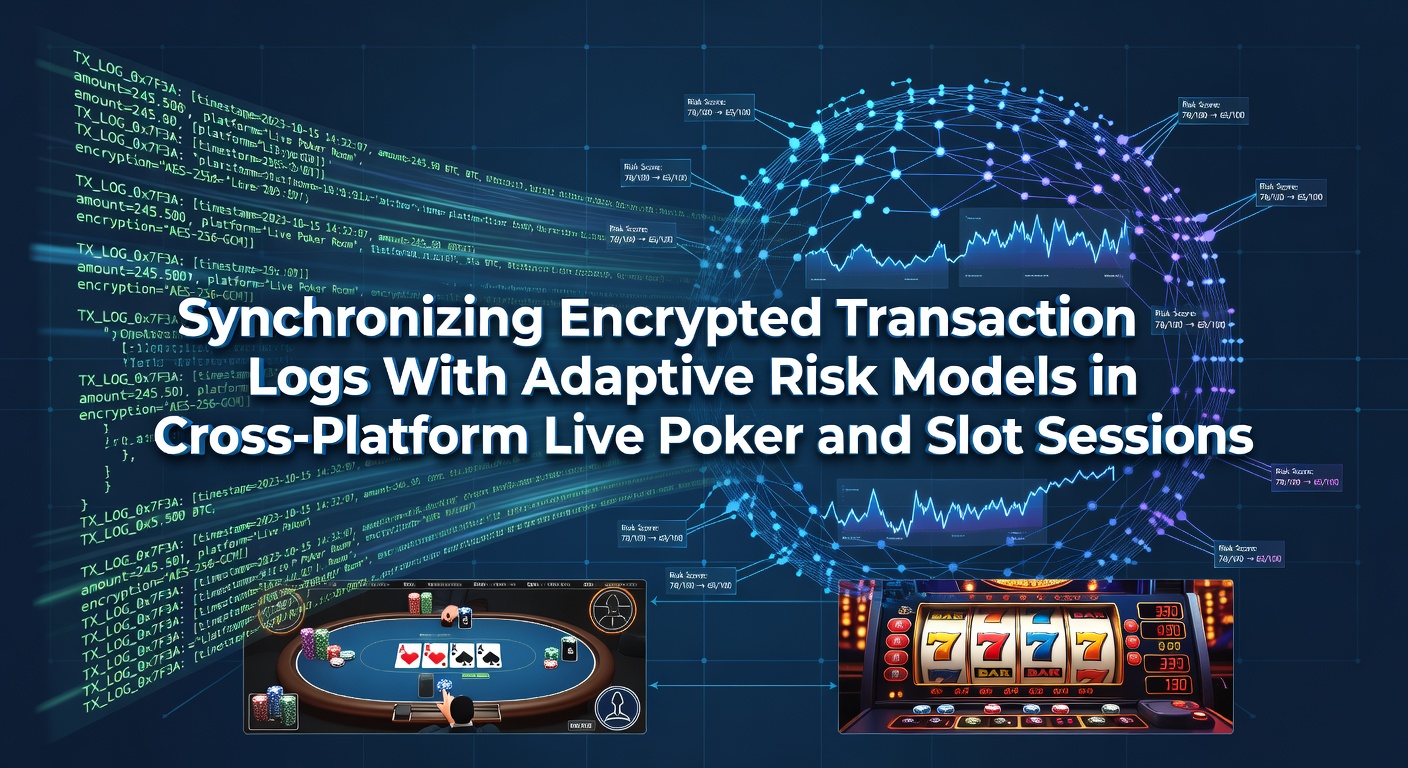
Operators in the online gaming sector now handle live poker tables and slot sessions that span multiple devices and jurisdictions at once, which means transaction data must move securely between platforms without creating gaps that fraud systems can exploit. Researchers discovered that encrypted logs serve as the backbone for these operations because they record every bet, win, and transfer in a format that resists tampering while still allowing rapid access for analysis.
Core Mechanics of Cross-Platform Data Flow
Live poker rooms feed continuous hand histories and chip movements into centralized systems, whereas slot sessions generate rapid spin-by-spin outcomes that accumulate into larger volume logs, yet both streams require the same synchronization layer so risk models receive consistent input. Data indicates that platforms using timestamped, hashed entries achieve alignment across mobile apps, desktop clients, and browser-based interfaces within milliseconds of each transaction. Observers note that this speed matters most during high-volume periods when thousands of players switch between poker variants and progressive slot titles without pausing their sessions.
Encryption Standards and Log Integrity
Advanced encryption protocols wrap each transaction record before it leaves the originating server, and those same protocols permit selective decryption only for authorized risk engines. Studies found that applying end-to-end AES-256 combined with rotating keys prevents interception during transfer between casino networks located in different regulatory zones. One example involves a multi-state operator that routes Nevada poker traffic and Australian slot data through a shared synchronization node, where logs remain encrypted until the adaptive model requests specific fields for anomaly scoring.
Adaptive Risk Models in Action
Adaptive risk models adjust their parameters in real time as new transaction patterns emerge, which means they compare incoming encrypted logs against historical baselines rather than relying on static thresholds. According to findings published by the Nevada Gaming Control Board, these models flagged irregular chip-transfer sequences in poker rooms 37 percent faster once synchronization delays dropped below 200 milliseconds. The same systems monitor slot jackpot contributions across platforms so sudden spikes in linked progressive pools trigger immediate review without interrupting player sessions.
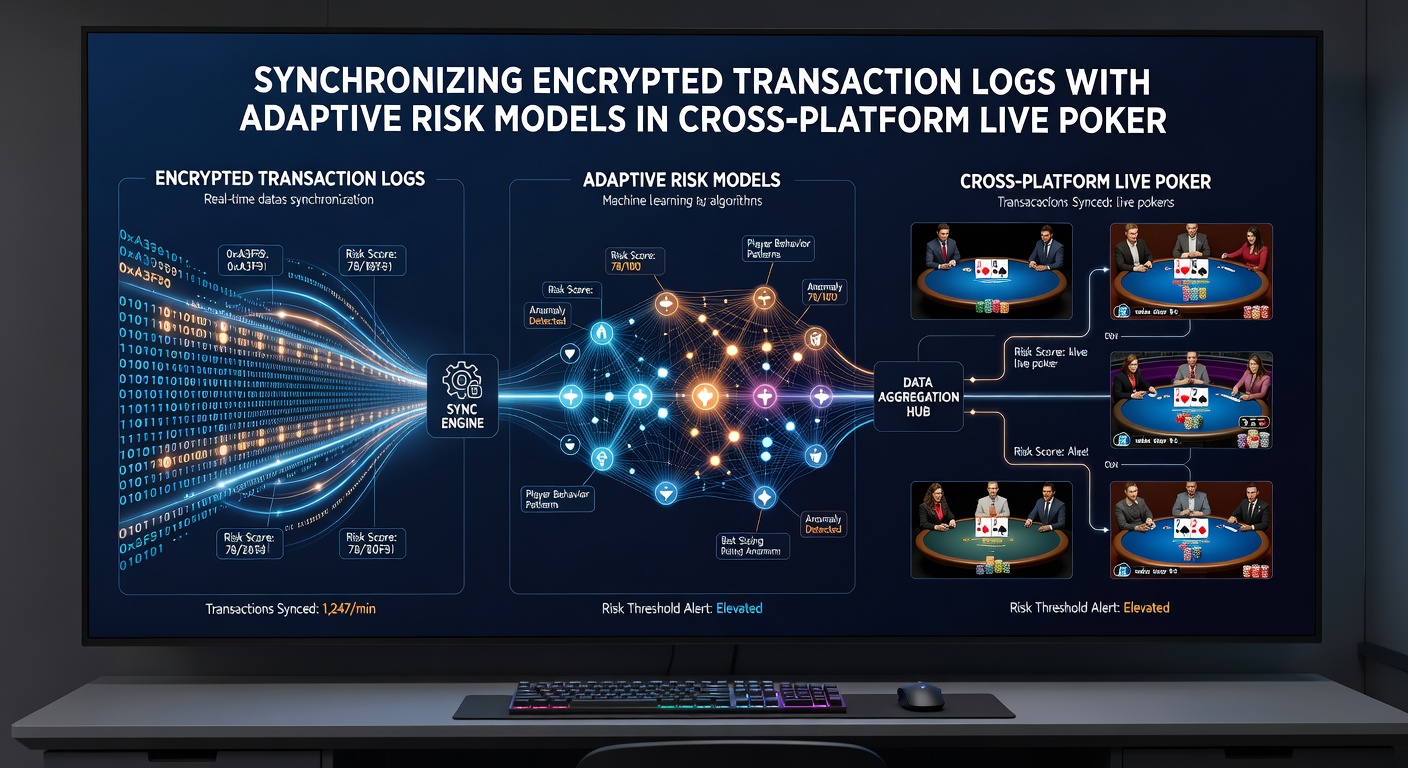
What's interesting is how the models incorporate behavioral signals such as bet sizing velocity and session duration alongside raw financial data. Experts have observed that when logs from a single player account arrive from both a slot mobile app and a live poker desktop client within the same minute, the system recalibrates its risk score using weighted variables that shift based on time of day and game type. This recalibration happens continuously because the underlying synchronization layer delivers fresh encrypted packets without requiring manual intervention from compliance teams.
Developments Observed in May 2026
By May 2026 several major operators had rolled out unified synchronization protocols that connect encrypted logs from North American and European servers into single adaptive frameworks. Figures reveal that transaction latency across these networks fell by an average of 28 percent compared with the same period in 2025, allowing risk engines to evaluate cross-game activity in near real time. Those who've studied the deployments note that slot progressive contributions now update simultaneously with poker side-pot settlements, which reduces the window for coordinated bonus abuse across different titles.
Regulatory updates in multiple regions encouraged this integration by requiring operators to demonstrate that transaction records remain verifiable even when players move between live dealer poker and automated slot environments. Industry reports from iGaming Ontario show that synchronized logs helped identify three distinct patterns of multi-account usage during the first quarter of the year, each case resolved through automated alerts generated by the adaptive models rather than manual audits.
Implementation Challenges and Technical Responses
Bandwidth constraints and differing data formats between poker and slot providers once created bottlenecks, but current solutions use middleware that normalizes logs into a common encrypted schema before synchronization occurs. And yet compatibility issues persist when older slot cabinets interface with newer poker platforms, which forces operators to maintain parallel validation routines. Researchers discovered that adding lightweight checksums at the packet level catches format mismatches before they reach the risk model, preserving both speed and accuracy.
People who've implemented these systems often discover that key rotation schedules must align with peak traffic windows so decryption keys remain available without exposing full log contents. This balance becomes especially relevant when sessions stretch across time zones, since a player finishing a poker tournament in one region might immediately start spinning slots in another while the same account stays under continuous monitoring.
Conclusion
Synchronization of encrypted transaction logs with adaptive risk models continues to shape how cross-platform live poker and slot sessions are secured and evaluated. Data from regulatory bodies and industry analyses in May 2026 confirms measurable gains in detection speed and operational consistency across jurisdictions. As platforms expand their offerings, the same technical approaches support ongoing compliance while keeping player movement between game types seamless and verifiable.