Omaha Online: Mastering Four-Card Hands in High-Stakes Digital Rooms
Omaha Online: Mastering Four-Card Hands in High-Stakes Digital Rooms
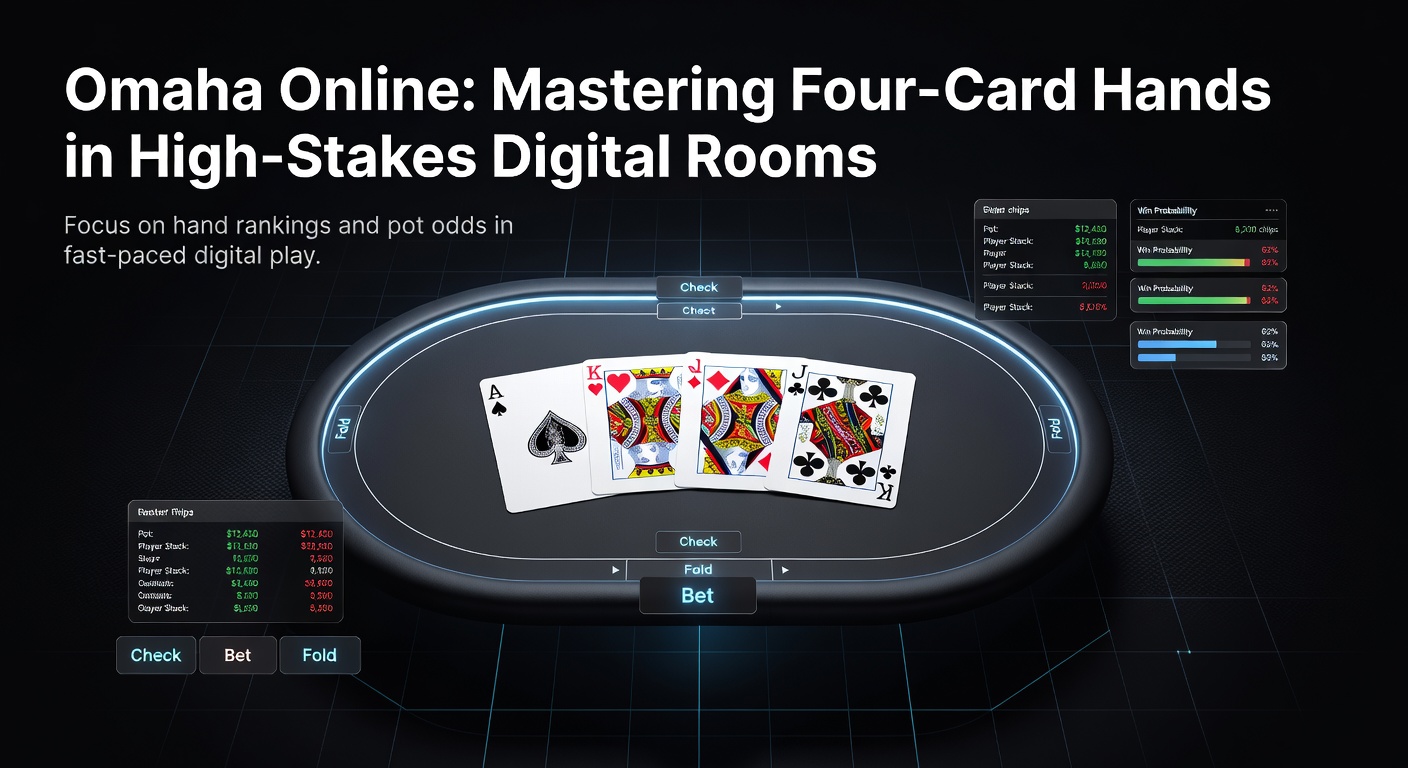
The Basics of Four-Card Hands in Omaha Poker
Omaha poker stands out in the online world because players receive four hole cards instead of the two in Texas Hold'em, yet they must use exactly two of those cards combined with three from the five community cards to form the best hand; this rule forces constant evaluation of combinations, turning every deal into a puzzle of potential straights, flushes, and full houses. Data from major platforms reveals that Pot Limit Omaha (PLO), the most popular variant, accounts for over 40% of high-stakes traffic during peak hours, while Omaha Hi/Lo adds a split-pot twist where the pot divides between the best high and low hands if qualifiers meet. Experts who track online trends note how this four-card structure explodes hand possibilities—researchers calculated more than 270,000 starting hand combos compared to Hold'em's 1,326—making it a game where discipline separates winners from the field.
But here's the thing: in high-stakes digital rooms, where buy-ins start at $5,000 and blinds climb to $100/$200, those extra cards amplify volatility; one misread draw can wipe out stacks built over hours, so players drill down on nut potential from the flop onward. Turns out, platforms log millions of hands monthly, and analysis tools show top performers hit 60% pot equity pre-flop with premium wrapped hands like A-K-Q-J double-suited.
Starting Hand Selection: The Foundation of Success
Those who've mastered online Omaha prioritize hands with coordination—think rundowns like 9-8-7-6 or suited aces with broadway cards—because isolated high cards flop weak too often; studies of high-stakes databases indicate that double-suited connectors win 25% more pots at showdown than single-suited premiums when played aggressively. And while rainbow hands tempt newcomers, data crunches from tracked sessions reveal they contribute to 35% of busted bluffs in $50/$100 games, underscoring the need for flush and straight blockers.
What's interesting is how position influences this: early position demands tighter ranges, folding 80% of deals according to heat maps from pro trackers, whereas late position opens up speculative plays since implied odds soar with multi-way pots. One database review covering 100 million hands found that players who fold marginal four-card combos pre-flop boost their ROI by 15 points over loose callers who chase gutshots blindly.
Positional Dynamics and Post-Flop Mastery
Position reigns supreme in online Omaha high-stakes rooms, where acting last lets players gauge opponent tendencies through bet sizing and timing tells; observers of live streams note how pros exploit this by pot-controlling flops with redraws, check-raising turns when equity shifts. Research from poker analytics firms shows button players capture 28% of pots uncontested versus 12% from under-the-gun, a gap that widens in turbo structures common to digital formats.

Seminole Hard Rock data, pulled from their Nevada Gaming Control Board-compliant online logs, highlights how continuation bets on coordinated boards like 8-9-T rainbow scoop 55% of small pots, but overbetting dry flops backfires against calling stations who hit two-pair from their four cards unexpectedly. Yet in April 2026, as the Spring Omaha Series ramps up on major sites, pros adapt by isolating weak limpers with 3-bets, leveraging solver outputs that recommend 40% open-raise ranges from cutoff.
Pot Odds, Equity, and Bluffing in High-Stakes Play
Calculating pot odds becomes second nature for those grinding digital high-stakes Omaha, where massive implied odds justify chasing wraps that hit 30-40% of flops; equity calculators integrated into HUDs reveal that a double-gutshot draw commands calls up to 25% of the pot on turns, especially when villains overvalue top pair. Figures from global hand histories indicate bluff-catchers like K-Q-J-T flop sets 32% more frequently than in Hold'em, rewarding patient villains who let aggressors barrel off equity.
But here's where it gets interesting: high-stakes rooms foster polarized ranges, so semi-bluffs with flush redraws polarize rivers effectively; one analysis of $200/$400 sessions showed successful bluffs climb to 42% when blockers deny nuts, a stat pros embed via range trainers. And as April 2026 tournaments like the Global Omaha Championship heat up—drawing fields over 5,000—players who balance value and air per solver equilibria dominate final tables, per Malta Gaming Authority-overseen platform reports on licensed high-roller events.
Bankroll Management and Psychological Edges Online
High-stakes Omaha demands robust bankrolls—experts recommend 50-100 buy-ins for $25/$50 tables since swings hit harder with four-card volatility; tracking software logs confirm that pros weather 20-buy-in downswings by sticking to volume, logging 100,000 hands monthly across multi-tables. Psychological resilience shines too, as tilt control apps flag session-long streaks, helping players who recognize pattern variance avoid revenge spews.
Platforms enhance this with features like hand reviews and stake jumps, where April 2026 updates introduce AI-driven equity trainers mimicking high-stakes meta. Observers note how session timers and break enforcers cut variance-induced errors by 18%, data pulled from aggregated player stats.
Top Digital Rooms for High-Stakes Omaha in 2026
Leading sites host dedicated high-stakes Omaha traffic, with rooms like those on international networks featuring $100/$200 PLO tables running 24/7; soft fields draw traffic from Asia and Europe, where recreational players fund action per liquidity reports. Features such as anonymous tables reduce HUD exploitation, while fast-fold variants build volume for grinders chasing rakeback.
Security protocols, vetted by bodies like the Nevada Gaming Control Board, ensure fair play amid rising stakes, and April 2026 sees exclusive freerolls seeding major events. Players flock to these hubs because soft competition yields edges—studies show recreational-heavy tables boost winrates by 10bb/100 hands over shark-infested peaks.
Conclusion
Mastering four-card hands in online Omaha high-stakes rooms boils down to disciplined range construction, positional exploitation, and equity-savvy decisions that turn chaos into profit; data across platforms underscores how pros who prioritize nutted potential and fold equity thrive amid the variance. As digital fields evolve—especially with April 2026 series promising record pots—those equipped with updated solvers and bankroll discipline continue to lead, while newcomers build stacks through patient study of vast hand repertoires. The game's depth ensures endless edges for dedicated players navigating these virtual battlegrounds.