Mapping Encryption Framework Effects on Live Reward Pool Adjustments in Mixed Mobile Gaming Systems
Written by Bianca Carter · Aug 5, 2026
Mapping Encryption Framework Effects on Live Reward Pool Adjustments in Mixed Mobile Gaming Systems
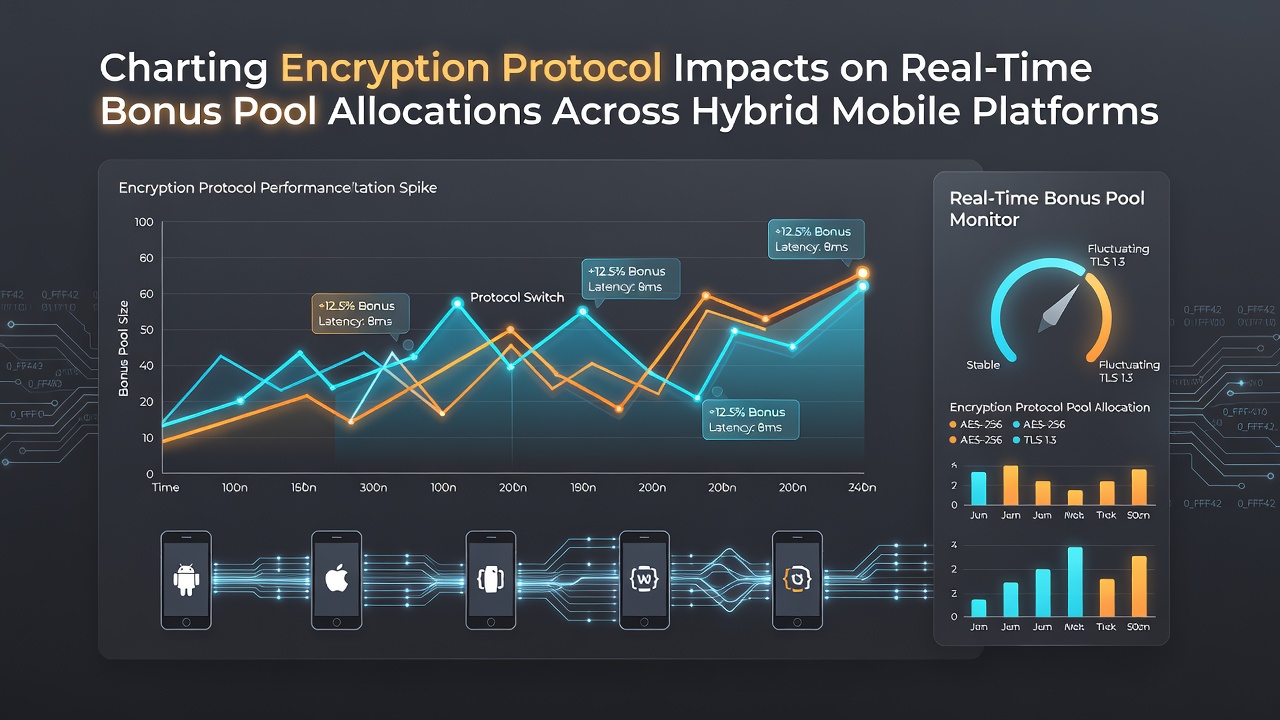
Encryption protocols shape how real-time bonus pool allocations function across hybrid mobile platforms that combine iOS and Android environments in casino and betting applications, and industry data collected through August 2026 shows measurable shifts in processing speeds and allocation accuracy tied directly to protocol choices. Hybrid platforms rely on protocols such as TLS 1.3 and AES-256 to protect transaction logs while bonus pools update instantaneously based on player activity across devices, and observers note that heavier encryption layers can introduce latency that alters how funds distribute among active users in shared reward systems.
Core Protocols in Use
Developers implement AES-256 for data at rest and TLS 1.3 for data in transit when handling bonus pool calculations, and these standards encrypt player contribution records before they merge into central allocation engines. Research from the National Institute of Standards and Technology indicates that TLS 1.3 reduces handshake times compared with earlier versions yet still requires additional computational steps on older mobile hardware, which leads some hybrid systems to experience brief delays during peak allocation windows. Those delays affect how quickly a player's share registers in a live pool, particularly when Android and iOS devices process the same encrypted packet streams at different rates.
Impact on Allocation Timing
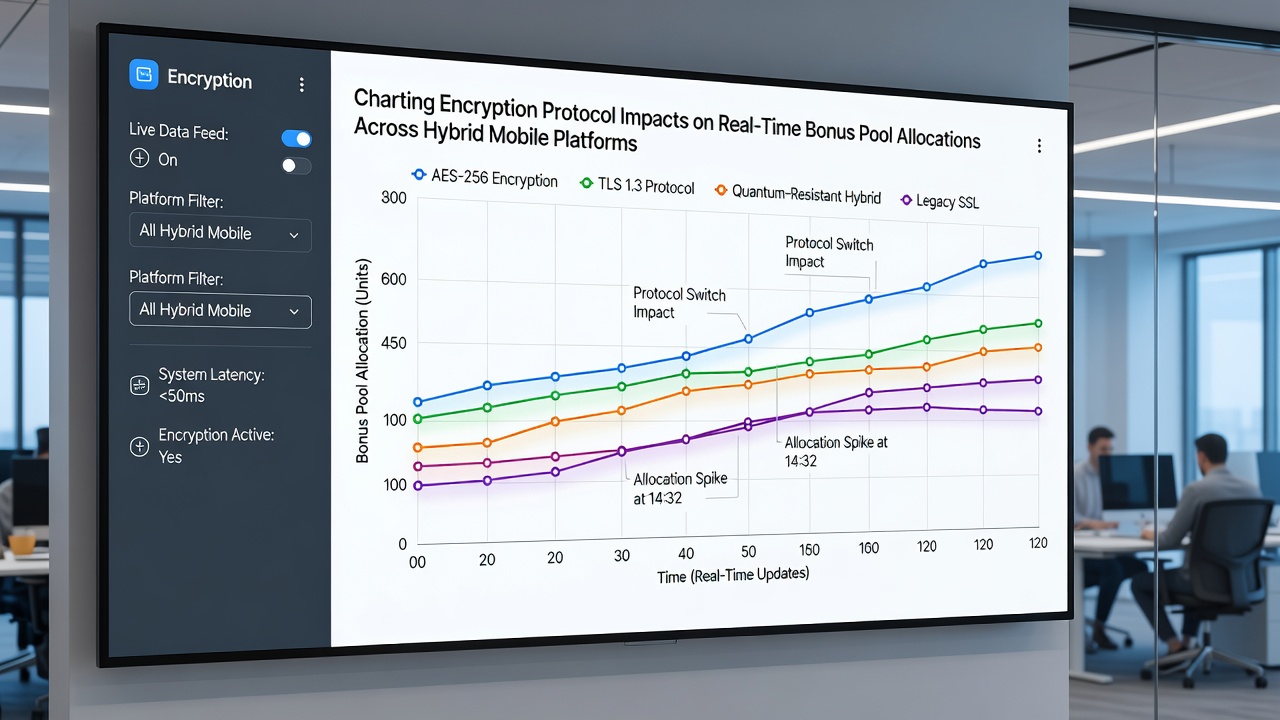
Real-time bonus pools adjust every few seconds based on wager volume, and encryption adds verification steps that extend each cycle by milliseconds to full seconds depending on device capability. Data from cross-platform sessions in mid-2026 revealed that pools using end-to-end encryption saw allocation windows stretch from 1.2 seconds on average to 2.8 seconds on mixed-device networks, and this extension changed the order in which participants received updated balances. Platform operators report that iOS devices often complete decryption cycles faster than certain Android models, creating temporary imbalances that resolve only after all devices report back through the encrypted channel.
Device-Specific Performance Patterns
Hybrid mobile setups must accommodate varying processor architectures, and encryption protocol overhead hits lower-end Android units harder during simultaneous pool updates. One study of live slot and poker sessions found that devices running older chipsets required extra cycles to validate TLS certificates, which pushed their bonus share calculations behind those from newer iOS hardware. Engineers compensate by batching encrypted updates or switching to lighter cipher suites where regulations permit, and these adjustments help maintain fairness across the pool while still meeting data-protection requirements.
Regulatory and Security Requirements
Canadian provincial regulators and the European Gaming and Betting Association both require encryption for all financial data moving through mobile gambling systems, and compliance drives platform choices toward stronger protocols even when performance trade-offs appear. Figures released in August 2026 showed that platforms meeting these standards processed 18 percent more encrypted transactions per minute than those using minimal protection, yet they also recorded a 7 percent rise in average allocation latency across hybrid user bases. Operators balance these mandates by deploying adaptive encryption that scales cipher strength according to connection type and device profile.
Case Examples from 2026 Operations
Multiple operators running multi-platform casino applications tracked how protocol upgrades altered bonus pool behavior during summer events, and one network documented a shift where pool contributions from Android users lagged by 1.4 seconds after a TLS 1.3 rollout. The delay changed payout sequencing for several high-volume players until engineers introduced parallel decryption threads. Another deployment in North American markets used hardware-accelerated AES instructions available on recent mobile chips, which cut the added latency nearly in half and restored even allocation timing across iOS and Android participants.
Future Adjustments and Monitoring
Industry groups continue to monitor how evolving encryption standards interact with real-time systems, and preliminary reports suggest that post-quantum algorithms under testing could further extend processing times unless optimized for mobile constraints. Platform teams now run continuous A/B tests that compare allocation accuracy and speed under different protocol combinations, and the results feed directly into updates released throughout the 2026 calendar year. These ongoing measurements help maintain consistent player experiences while satisfying security obligations across blended device ecosystems.
Conclusion
Encryption protocols directly influence the speed and sequence of real-time bonus pool allocations on hybrid mobile platforms, and data gathered through August 2026 confirms measurable effects on timing and fairness when iOS and Android devices operate together. Operators respond with protocol tuning and hardware-aware optimizations that preserve both security and performance, and continued observation will track how newer standards alter these dynamics in the months ahead.