Integrating Athletic Event Feeds with Virtual Reel Systems Across International Boundaries
Written by Rosa Becker · Aug 26, 2026
Integrating Athletic Event Feeds with Virtual Reel Systems Across International Boundaries
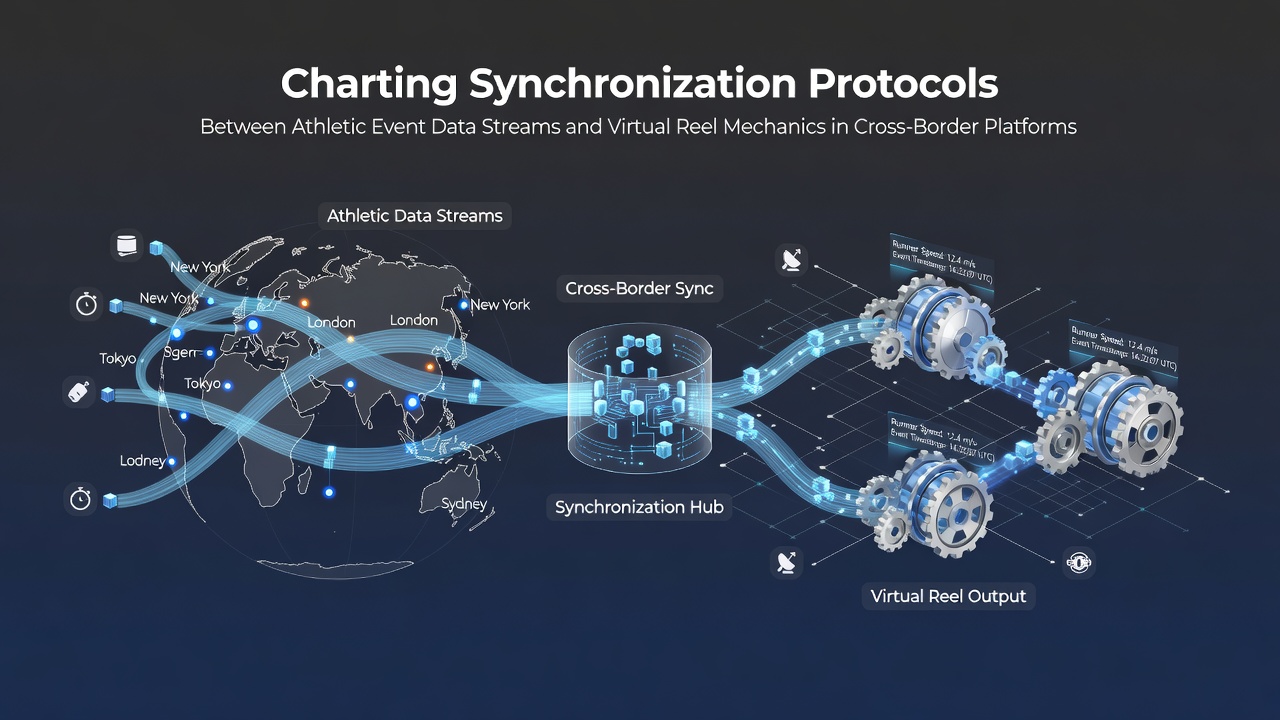
Platforms operating across multiple jurisdictions rely on precise alignment between incoming athletic event data streams and virtual reel mechanics to maintain consistent user experiences, and operators achieve this through layered synchronization protocols that match timestamps, adjust for network latency, and validate outcomes against regulatory requirements in each region. Data from live sports broadcasts enters these systems via secure APIs that pull real-time statistics such as scores, player movements, and event triggers, while virtual reel engines respond by adjusting spin sequences or bonus triggers in coordinated sequences.
Core Technical Components of Synchronization
Engineers build these protocols around standardized message formats that include event identifiers, precise timing markers, and checksum validations, and these formats allow reel mechanics to react within milliseconds of an athletic data point arriving from the source feed. Studies from research institutions indicate that packet loss and variable bandwidth remain primary obstacles, yet adaptive buffering techniques compensate by queuing incoming streams and releasing reel commands only after confirmation of data integrity.
Cross-border operations add further layers because each jurisdiction enforces distinct rules on data handling and outcome fairness, so platforms implement region-specific compliance modules that filter or transform the same athletic feed differently depending on the user's location. For instance, one module might suppress certain triggers during live events to meet stricter payout regulations, while another permits full synchronization in markets with more flexible guidelines.
Latency Management and Timestamp Coordination
Latency differences between athletic data sources and reel servers create the need for predictive algorithms that forecast event timing and pre-load reel states accordingly, and observers note these algorithms draw on historical patterns from similar competitions to reduce desynchronization events. In August 2026, several major platforms reported implementing enhanced GPS-timed reference clocks that improved alignment accuracy by cross-referencing multiple data providers simultaneously.
Multiple independent feeds from the same athletic event undergo reconciliation processes before reaching the reel systems, and this step prevents conflicting signals from causing erratic reel behavior. Technicians monitor these reconciliation logs in real time to identify drift patterns that might require protocol updates.
Regulatory and Security Considerations in Multi-Jurisdictional Setups
Regulatory bodies across regions require documented audit trails that demonstrate how athletic data directly influences reel outcomes, and industry groups such as the Canada Revenue Agency gaming oversight resources publish guidelines that operators follow when designing these trails. Security protocols encrypt both the incoming streams and the synchronization commands, while key rotation schedules prevent long-term exposure of sensitive timing data.
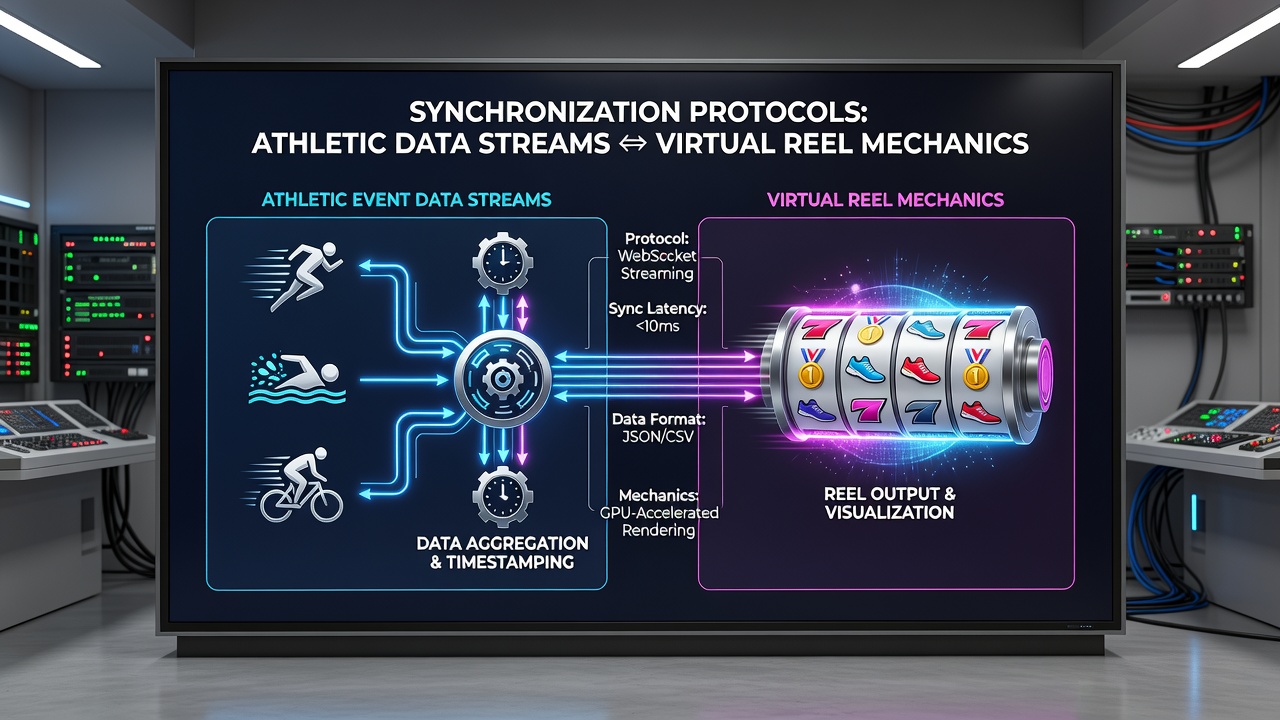
Platforms also maintain separate failover pathways that activate when primary synchronization links degrade, and these pathways preserve outcome fairness by falling back to pre-approved static reel modes until full connectivity resumes. Reports from academic sources highlight that such redundancy measures have become standard practice in environments where even brief desynchronizations can trigger compliance reviews.
Implementation Patterns Observed in 2026
Operators have adopted hybrid architectures that combine centralized orchestration servers with edge computing nodes located near major athletic venues, and this setup reduces round-trip delays for data that must reach distant reel servers. Case examples show teams testing these configurations during high-volume events such as international tournaments, where thousands of simultaneous users interact with synchronized reels tied to the same live match.
Further refinements include machine learning models that analyze past synchronization performance to predict and preempt potential mismatches, and these models incorporate variables such as time-of-day traffic loads and regional network conditions. Figures from industry monitoring services reveal measurable reductions in user-reported glitches following deployment of these predictive tools.
Conclusion
Continued evolution of synchronization protocols between athletic event data streams and virtual reel mechanics supports reliable cross-border platform operations, and ongoing refinements address both technical latency issues and diverse regulatory demands. Platforms that maintain robust timestamp coordination, encrypted pathways, and adaptive failover mechanisms demonstrate consistent performance across jurisdictions, while new implementations scheduled for later in 2026 aim to further tighten alignment tolerances based on accumulated operational data.