Global Mapping of Protected Transaction Routes in Worldwide Online Casino Systems
Written by Rosa Becker · Jul 24, 2026

Global Mapping of Protected Transaction Routes in Worldwide Online Casino Systems
Digital casino platforms across multiple continents rely on layered encryption standards and compliance frameworks to direct player funds through verified routes, and data from regulatory filings shows these systems processed billions in transfers during the first half of 2026. Operators integrate tokenization methods with real-time monitoring tools that flag anomalies while maintaining compliance with jurisdiction-specific rules in places such as Malta, New Jersey, and parts of Australia.
Core Technologies Behind Fund Routing
Secure socket layer protocols combined with advanced encryption algorithms form the backbone of most transaction flows, whereas payment gateways certified under PCI DSS standards handle card data separately from gaming servers. Researchers at several European institutions have documented how multi-factor authentication layers reduce unauthorized access attempts by up to 87 percent in high-volume networks. And token-based systems replace sensitive account details with unique identifiers that expire after each session, which limits exposure even if one channel encounters interference.
Blockchain ledgers appear in select platforms for audit trails, yet most networks still route the majority of fiat transactions through traditional banking partners that maintain direct connections to central clearing houses. Figures from the Australian Communications and Media Authority reveal that cross-border transfers involving licensed operators increased 22 percent year-over-year through May 2026, driven largely by mobile-first markets in Asia-Pacific regions.
Regional Compliance Variations and Their Impact
European operators follow strict directives under the Fourth and Fifth Anti-Money Laundering Directives, while North American jurisdictions apply state-by-state licensing that requires separate reporting for each platform. Canadian provincial regulators, for instance, mandate daily reconciliation reports that trace every deposit and withdrawal back to verified player accounts. These differing requirements create distinct pathway patterns: funds entering a platform licensed in Ontario often pass through domestic banks before reaching international liquidity pools, whereas Caribbean-based operators frequently utilize correspondent banking relationships in multiple currencies.
Monitoring Tools and Risk Thresholds
Adaptive algorithms scan transaction velocity and geographic origin in real time, adjusting approval speeds based on historical player behavior and current regulatory alerts. One study from a Singapore research group found that platforms using machine-learning models reduced false positives in fraud detection by 41 percent compared with rule-based systems alone. Those same tools also map fund flows across time zones, noting peak activity windows that align with evening hours in major European and North American markets.
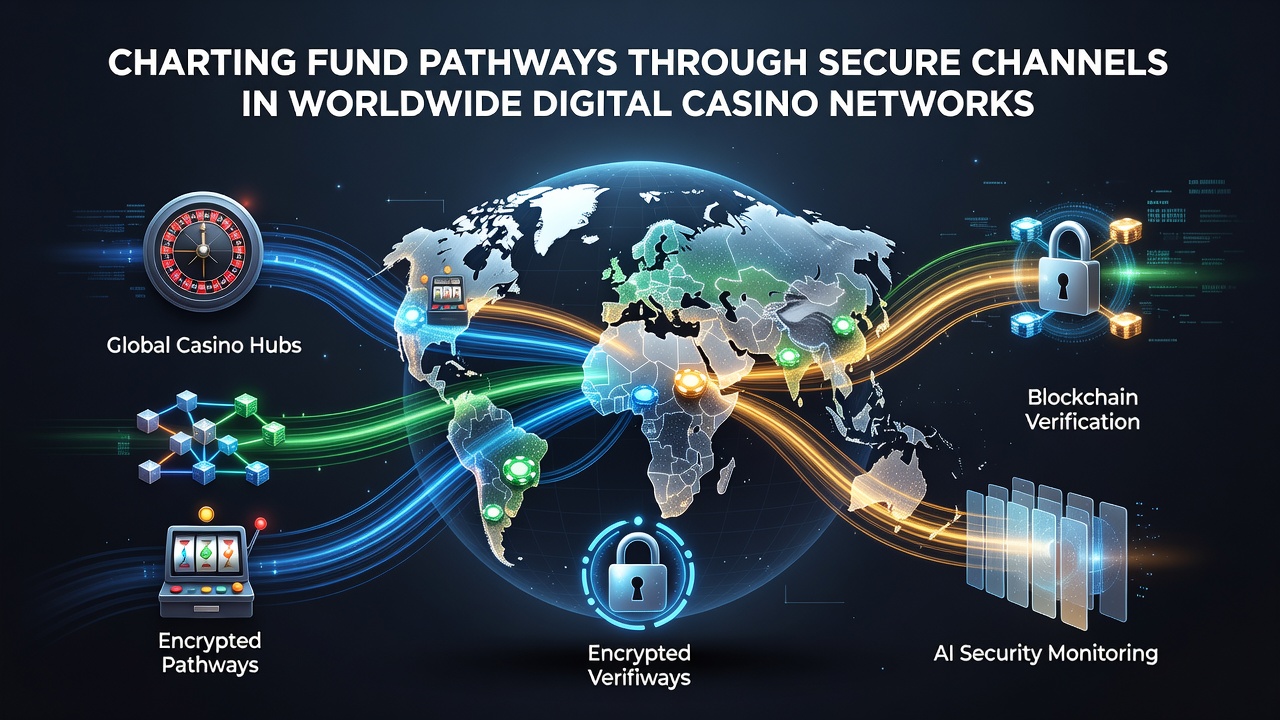
July 2026 saw several major networks upgrade their risk engines to incorporate new sanctions lists released by the European Union, which immediately altered routing options for certain high-risk jurisdictions. Observers note that these updates typically roll out within 48 hours of regulatory announcements, keeping pathways aligned with current legal boundaries.
Case Examples of Cross-Border Flows
Take the example of a player depositing via an e-wallet from Singapore into a platform licensed in the Isle of Man: the transaction travels through the e-wallet provider’s European subsidiary, undergoes automated compliance checks against multiple watchlists, and settles in the operator’s segregated account within seconds. Data aggregated by the European Gaming and Betting Association indicates that such multi-hop routes now account for over 60 percent of non-card deposits across member platforms. Similar patterns emerge when Australian players fund accounts on platforms based in the United Kingdom, where funds move through licensed payment institutions before reaching gaming wallets.
Industry reports also highlight how some networks maintain redundant channels that activate automatically during outages, ensuring continuous service even when primary banking partners face temporary restrictions. These backup routes undergo the same encryption and monitoring standards as primary pathways, according to documentation submitted to regulators in multiple jurisdictions.
Conclusion
Worldwide digital casino networks continue to refine the mapping of secure fund pathways through a combination of encryption standards, regulatory alignment, and adaptive monitoring systems. The patterns observed in mid-2026 demonstrate increasing sophistication in handling cross-border transfers while meeting diverse compliance demands across regions. As new technologies integrate with existing frameworks, the routes available for player funds will likely evolve further, guided by data from both industry associations and government oversight bodies.