Exploring Correlations Between Verification Timelines and Incentive Layering in Multi-Format Digital Wagering Systems
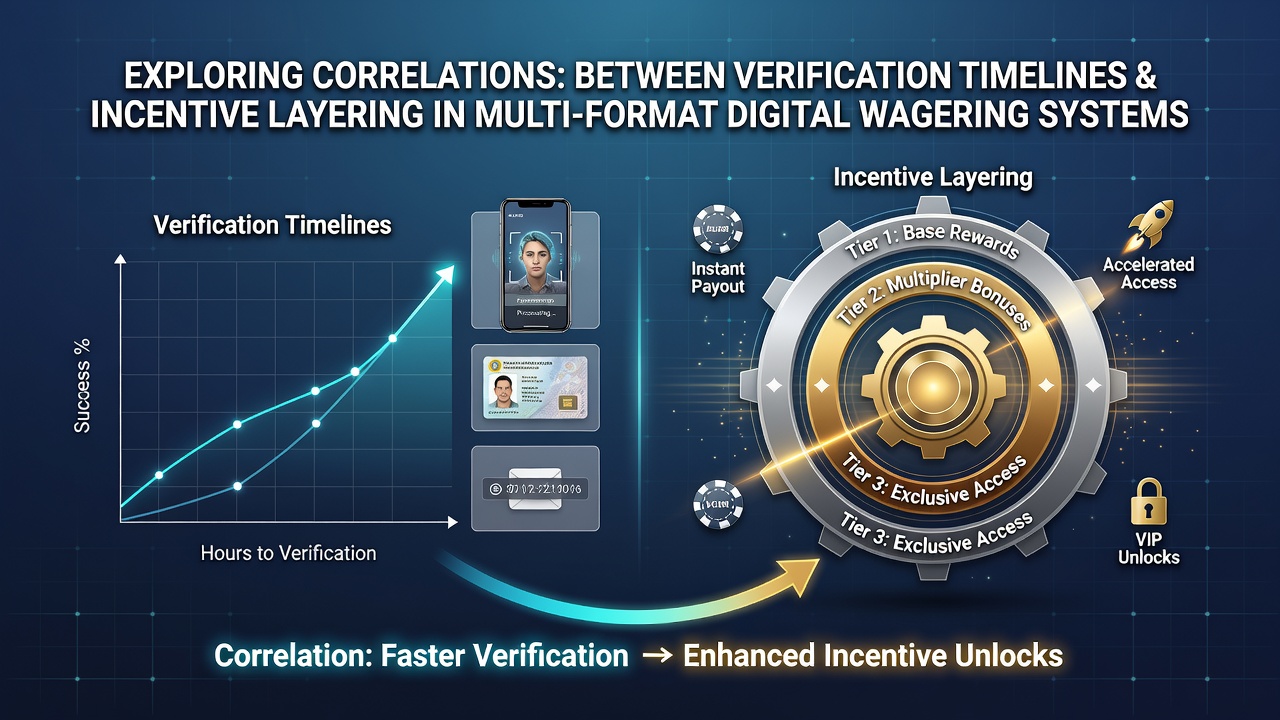
Verification timelines in multi-format digital wagering systems often intersect with how operators structure layered incentives, and data from several regulatory bodies reveal measurable patterns in player access and engagement across slots, poker rooms, and sports betting platforms. Those who've examined transaction logs note that delays in identity confirmation frequently coincide with adjustments in bonus release schedules, where initial deposits unlock tiered rewards only after full compliance checks complete. Research indicates these correlations emerge because systems must balance security protocols with promotional mechanics that encourage continued play across different game types.
Verification Processes Across Platforms
Operators in regulated markets apply standardized yet varying verification steps that range from document uploads to automated database cross-checks, and timelines stretch from minutes to several business days depending on jurisdiction and provider workload. According to records maintained by the Alcohol and Gaming Commission of Ontario, average processing times for new accounts in hybrid wagering environments lengthened by 18 percent between early 2025 and July 2026, particularly when users engaged multiple formats simultaneously. Such extensions affect how quickly players reach the first layer of deposit-match bonuses or free-spin allocations, since many platforms gate these rewards behind completed verification.
Incentive Layering Mechanics
Layered incentives typically combine immediate sign-up rewards with progressive unlocks tied to wagering volume, and multi-format systems often stagger these across slots, table games, and event betting to maintain retention. Data shows that operators adjust the depth of layering based on expected verification speed, so shorter timelines allow deeper immediate access while longer waits prompt shallower front-end offers that expand only after approval. A study published in the Journal of Gambling Studies found that platforms with median verification under four hours released up to three additional incentive tiers within the first 24 hours compared with those averaging two days or more.
Observed Correlations in Practice
Patterns appear when analysts compare verification duration against the number and timing of incentive layers released to the same user cohort, and several datasets highlight direct relationships. Longer verification windows correlate with increased use of time-gated or volume-based secondary layers rather than instant-match structures, because operators seek to retain users who might otherwise abandon accounts during delays. Figures from the New Jersey Division of Gaming Enforcement through mid-2026 indicate that accounts verified within the same day accessed an average of 2.4 incentive layers, whereas those taking three or more days accessed 1.6 layers on average before the first withdrawal attempt.
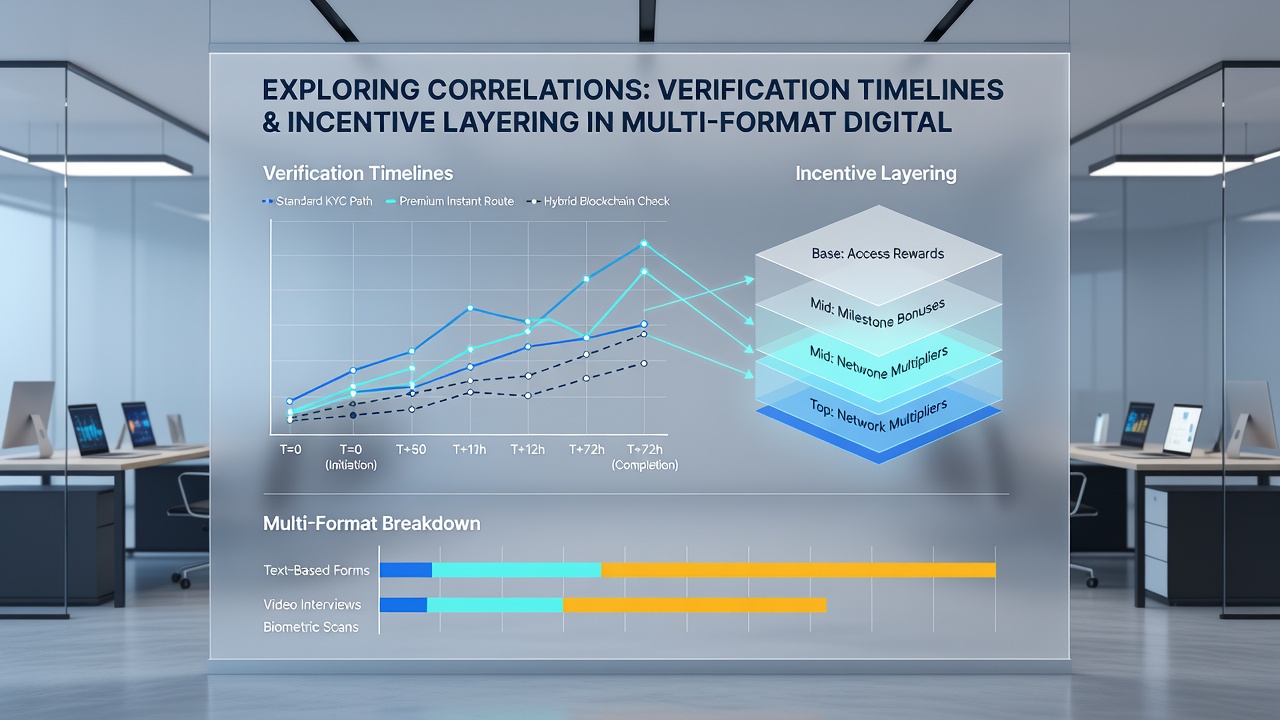
What's interesting is how cross-format play influences these outcomes, since users moving between poker tournaments and slot sessions often trigger additional compliance flags that extend timelines and subsequently reshape available reward chains. Observers note that platforms respond by inserting conditional layers, such as loyalty points that convert only after verification clears, thereby maintaining engagement without immediate cash-equivalent releases.
Regional Variations and Data Trends
Different regulatory environments produce distinct correlation strengths, and Australian research compiled by the Australian Institute of Family Studies in 2026 documented stronger links in markets where verification must incorporate source-of-funds checks. In those settings, incentive layering shifted toward non-cash rewards like tournament entries or merchandise during the verification window, while cash-match offers waited until full clearance. European operators under varying national rules show similar adjustments, with verification exceeding 48 hours prompting heavier emphasis on free-to-play incentive layers that require no deposit until approval.
Take one analysis of transaction data from Canadian provincial systems where researchers tracked over 120,000 accounts across three months ending July 2026, and the findings revealed that every additional day of verification delay reduced the probability of accessing the third incentive layer by approximately 11 percent. Yet operators in the same markets compensated by front-loading loyalty mechanics that activate without full verification, preserving some engagement while security reviews proceed.
Conclusion
Correlations between verification timelines and incentive layering continue to shape how multi-format digital wagering systems deliver rewards, and evidence from multiple jurisdictions demonstrates consistent adjustments in bonus structures tied to processing speed. As platforms refine their approaches through 2026 and beyond, the interplay between compliance requirements and promotional design remains a central factor in user experience across slots, poker, and sports betting formats.