Encryption Hierarchies Supporting Cross-Game Reward Synchronization in Mobile Wagering Networks
Written by Rosa Becker · Aug 19, 2026
Encryption Hierarchies Supporting Cross-Game Reward Synchronization in Mobile Wagering Networks
Security frameworks in portable wager systems rely on multiple encryption layers that protect loyalty data as it moves between different games and platforms, and these structures allow reward points earned during one session to transfer securely to another without exposing user information. Observers note that developers combine symmetric and asymmetric methods at various stages, while transport protocols add further safeguards during transmission across mobile networks.
Research from the National Institute of Standards and Technology highlights how AES-256 encryption forms the foundation for data at rest in loyalty databases, and organizations layer additional controls such as TLS 1.3 for active connections. This approach keeps synchronization processes intact even when users switch between slot machines and table games on handheld devices, and it maintains compliance with regional gaming regulations that require audit-ready logs.
Core Components of Multi-Layer Security
Portable wager applications employ key management systems that rotate encryption keys at regular intervals, and this rotation reduces risks associated with long-term key exposure. Application-layer encryption wraps loyalty payloads before they reach the network layer, whereas device-level protections such as secure enclaves on modern smartphones handle initial authentication. Those who study these architectures point out that cross-game networks must reconcile differing game engines, so middleware solutions decrypt and re-encrypt data at controlled gateways to preserve format compatibility.
Case examples from large operators show that biometric verification feeds into the first encryption tier, after which tokenized session identifiers carry reward updates through subsequent layers. Data indicates that this staged process supports real-time balance updates across thousands of concurrent users, and it prevents single-point failures by distributing decryption responsibilities among separate service clusters.
Integration Challenges Across Platforms
Cross-platform loyalty networks face compatibility issues when mobile operating systems update their security APIs, and developers respond by maintaining fallback encryption suites that older devices can still process. In August 2026 several major providers reported completing migrations to post-quantum algorithms in test environments, yet production systems continue to rely on established standards while monitoring quantum-threat timelines. External audits from independent laboratories confirm that these layered setups withstand simulated attacks that target both network intercepts and database breaches.
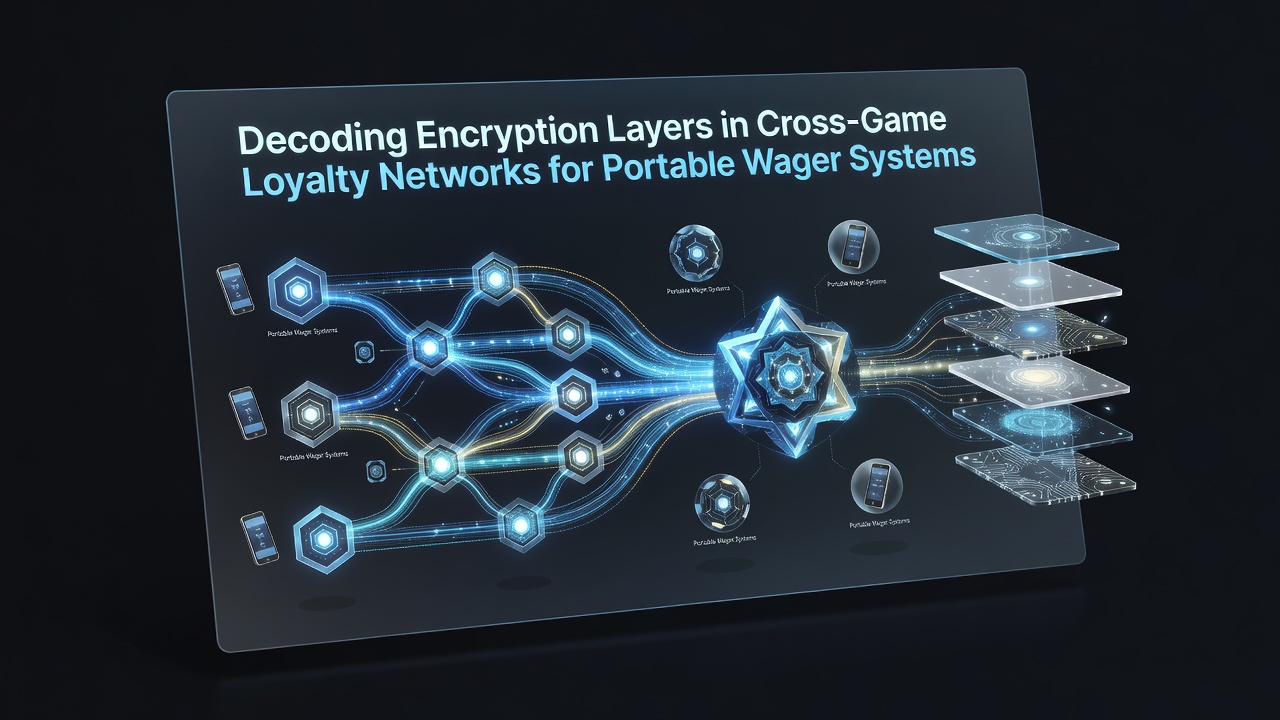
Studies from the University of Waterloo's cybersecurity research group demonstrate that end-to-end encryption combined with homomorphic techniques allows certain reward calculations to occur on encrypted data, reducing exposure windows during aggregation across game types. Operators therefore achieve faster settlement times for cross-game bonuses without decrypting sensitive fields at every step, and the resulting efficiency gains appear in transaction throughput metrics published by industry associations.
Regulatory and Operational Oversight
Gaming control boards in multiple jurisdictions require encryption documentation as part of licensing renewals, and these submissions detail key lengths, cipher suites, and rotation schedules. Canadian provincial regulators, for instance, mandate annual penetration testing that specifically examines loyalty synchronization channels, while Australian state authorities focus on consumer data minimization within the same encrypted flows. Operators meet these demands through centralized dashboards that log every encryption event and produce compliance reports on demand.
Network architects continue to refine segmentation strategies that isolate loyalty modules from core wagering engines, and this separation limits the blast radius if one layer experiences compromise. Evidence from operational deployments shows that such segmentation, when paired with continuous monitoring tools, shortens incident response times and supports rapid restoration of reward functionality for end users.
Conclusion
Encryption hierarchies in cross-game loyalty networks for portable wager systems combine established cryptographic standards with emerging techniques to enable secure reward synchronization across diverse mobile environments. Data from regulatory filings and academic evaluations indicates steady progress toward stronger protections that accommodate growing user bases and evolving platform requirements, and these developments keep loyalty mechanics functional while meeting security expectations set by oversight bodies worldwide.