Decoding Seasonal Engagement Shifts in Tiered Loyalty Structures Across Hybrid Wagering Ecosystems
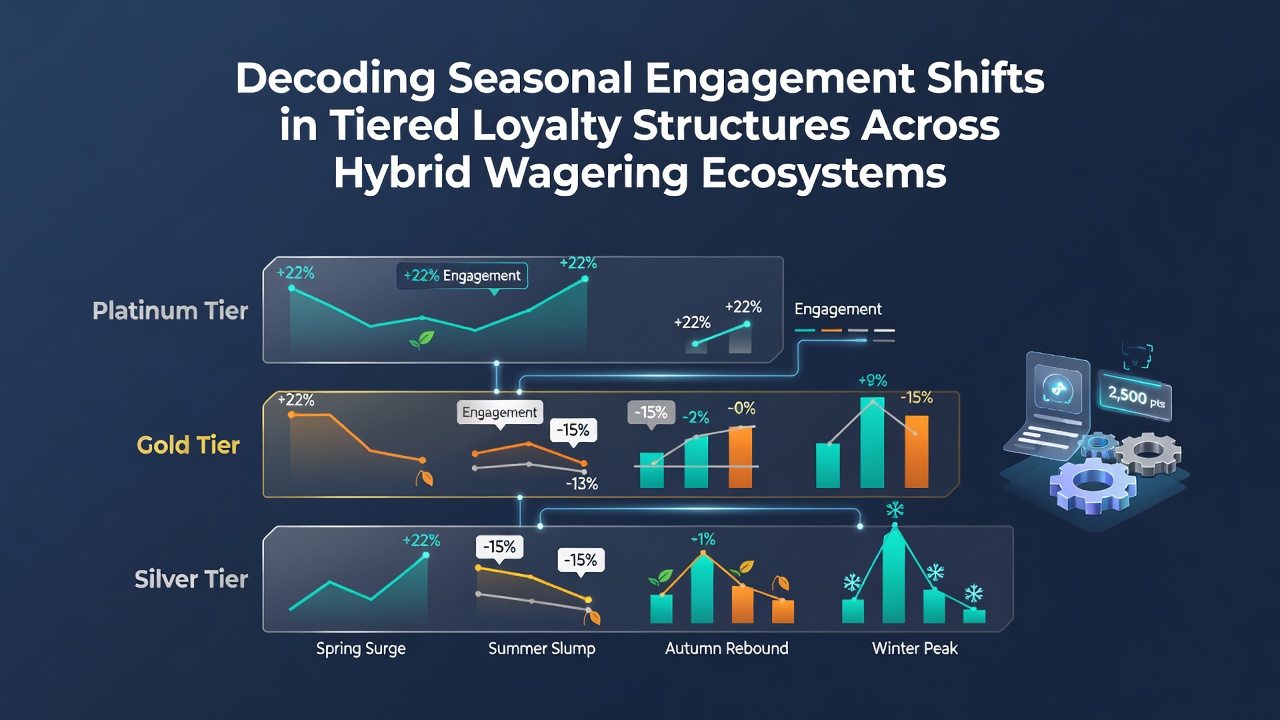
Hybrid wagering ecosystems combine sports betting with casino games such as slots and poker across both online platforms and physical venues, and tiered loyalty structures within these systems track player activity through points, levels, and rewards that adjust based on engagement volume and frequency. Seasonal shifts appear when participation patterns change with calendar events including major sports leagues, holidays, and weather variations that influence how players move between tiers or maintain status.
Core Components of Tiered Loyalty Programs
Tiered systems typically divide participants into bronze, silver, gold, and platinum categories where each level grants escalating benefits such as bonus multipliers, exclusive events, and faster redemption rates. Points accumulate from wagers placed on sports markets or reel spins, while hybrid models often link activity across channels so that a land-based visit at one property credits toward online account progress. Data collected by operators shows that summer months frequently see declines in sports-related point generation because many professional leagues enter off-seasons, whereas winter periods produce spikes when basketball, football, and hockey schedules overlap.
Researchers tracking these patterns note that players in lower tiers tend to drop activity more sharply during transitional months, while those already in higher tiers maintain consistent engagement through targeted promotions tied to specific events. July 2026 figures from several multi-state operators indicated a 14 percent drop in new tier advancements compared with March of the same year, coinciding with reduced football and basketball calendars and increased travel during peak vacation periods.
Observed Seasonal Patterns Across Regions
North American markets display distinct cycles tied to league schedules and regulatory calendars. In states with expanded sports betting, engagement in hybrid loyalty programs rises sharply during March Madness brackets and the NFL season, then contracts during late spring and early summer. European operators report parallel movements around domestic football leagues and major international tournaments, though their summer lull appears shorter because cricket and tennis fill calendar gaps. Australian data similarly links loyalty tier retention to rugby and Australian rules football calendars, with noticeable upticks during winter domestic seasons.
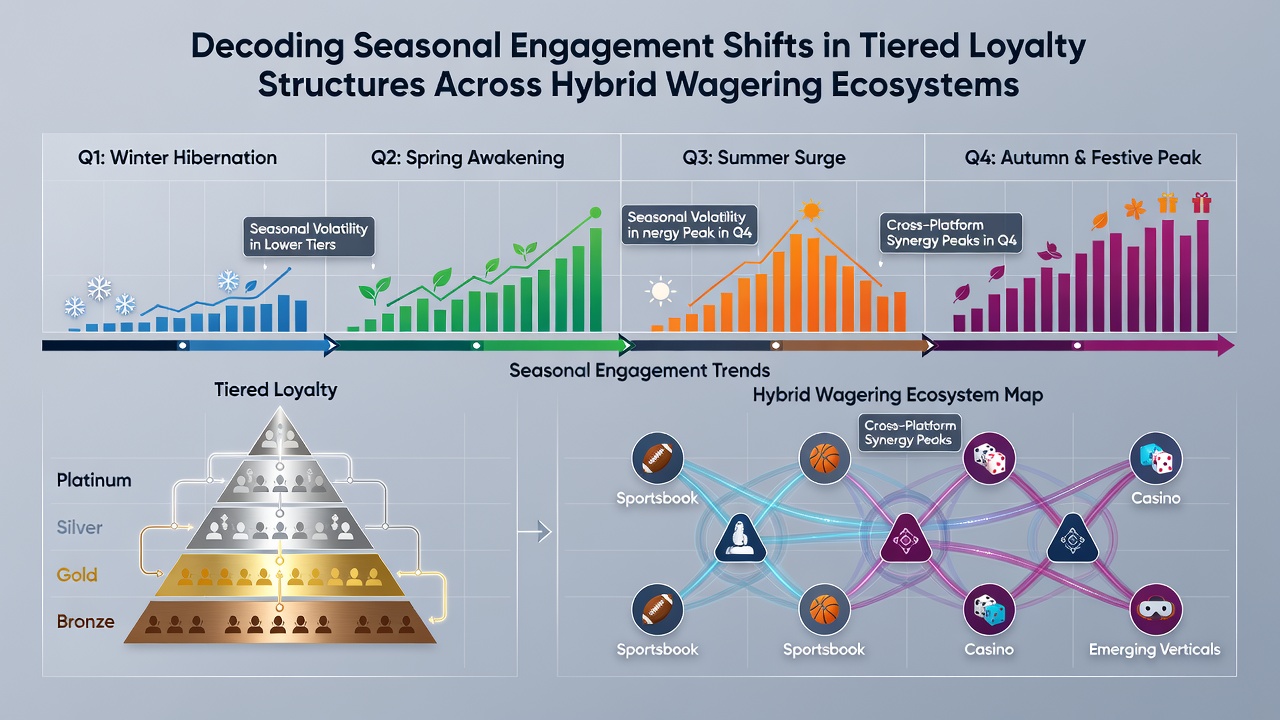
Hybrid ecosystems add complexity because players can shift between sports and casino verticals within the same account. When sports betting volume decreases, many participants redirect activity toward slots or table games to preserve tier status, and operators have recorded that this substitution effect keeps roughly 60 percent of mid-tier players from falling back a level during off-peak sports windows. Those who do drop often cite insufficient points accumulation rather than outright disengagement, according to aggregated session logs released by several platforms operating in regulated markets.
Effects on Different Loyalty Tiers
Lower-tier participants show the greatest sensitivity to seasonal changes because they rely heavily on volume bonuses that require consistent weekly activity. Mid-tier players demonstrate more resilience by using cross-product mechanics that convert slot play into sports bonus credits, whereas top-tier members receive personalized offers that offset natural dips in organic engagement. Operators adjust reward thresholds seasonally in response, raising casino-game multipliers during summer months to compensate for reduced sports handle.
Studies conducted by academic groups examining player data from multiple jurisdictions found that tier retention rates improve when programs incorporate flexible rollover periods that span entire seasons rather than fixed calendar quarters. One analysis of accounts active between 2024 and 2026 showed that extending qualification windows by 30 days reduced downward tier movement by nearly one-fifth during the July-to-September transition period.
Regulatory and Operational Adjustments
Regulators in several jurisdictions require transparent reporting of loyalty program mechanics, and operators must publish how seasonal promotions affect point valuation. The Nevada Gaming Control Board publishes quarterly summaries that include loyalty-related metrics, while iGaming Ontario releases annual reviews covering player retention across hybrid offerings. These disclosures allow observers to track whether engagement shifts correlate with specific calendar events or with changes in promotional structures.
Industry associations such as the American Gaming Association compile aggregated figures from member companies that reveal consistent patterns: hybrid programs experience their highest new-tier entries during October through December and their lowest during June through August. Operators respond by front-loading major loyalty events in shoulder seasons to smooth participation curves.
Conclusion
Seasonal engagement shifts in tiered loyalty structures reflect the interplay between sports calendars, casino product availability, and player substitution behavior across hybrid wagering ecosystems. Data from multiple regulatory bodies and research institutions demonstrate that lower and middle tiers experience the most pronounced movement, while higher tiers maintain stability through targeted interventions. Continued monitoring of these patterns through transparent reporting mechanisms provides operators and regulators with clearer pictures of how calendar-driven changes influence long-term program participation.