Cross-Border Tax Accords Reshaping Earnings Disclosures in Global Betting Exchanges
Written by Rosa Russell · Aug 24, 2026

Cross-Border Tax Accords Reshaping Earnings Disclosures in Global Betting Exchanges
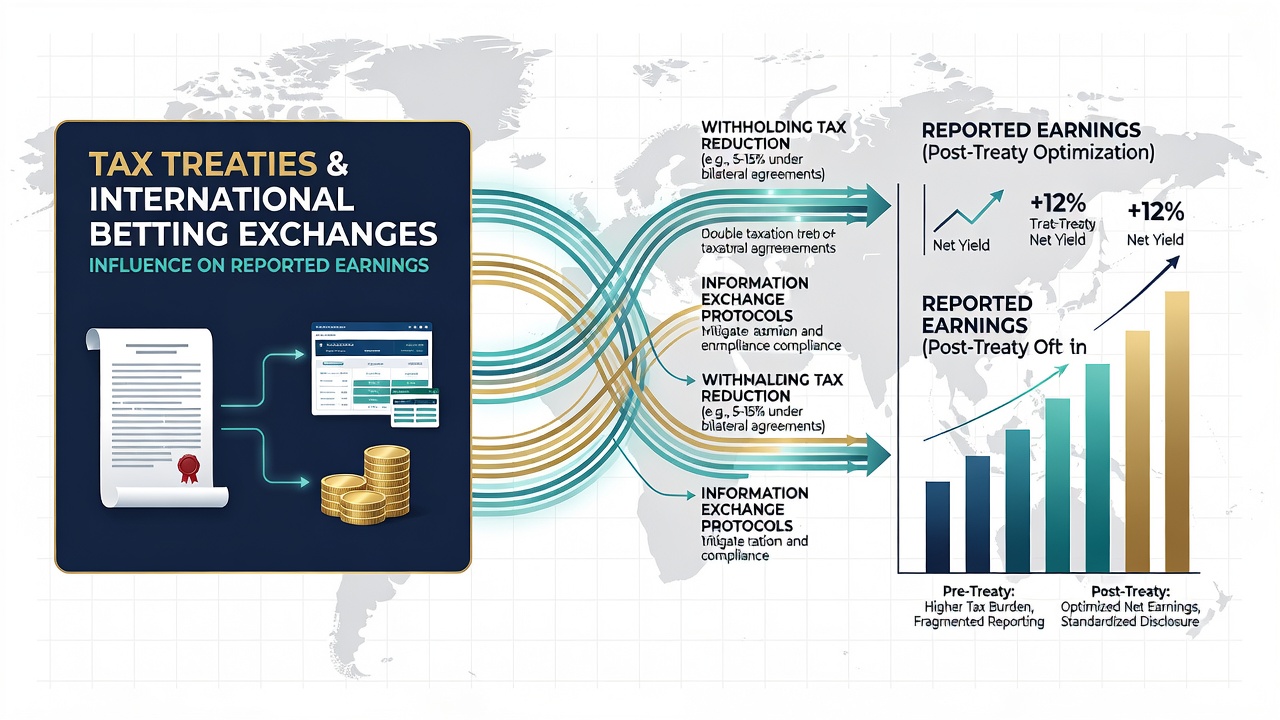
Tax treaties between nations establish frameworks that prevent double taxation on income earned across borders, and these agreements directly shape how operators of international betting exchanges report their earnings. Betting exchanges operate in multiple jurisdictions where users place wagers on events, and revenue flows through various countries create complex tax obligations. Data from regulatory filings show that treaties often allocate taxing rights based on residency and source rules, which influences the final figures companies disclose in annual statements.
Core Mechanisms of Tax Treaties in Betting Contexts
Observers note that most treaties follow models developed by organizations like the OECD, where provisions address business profits, royalties, and other income types common in digital wagering platforms. For betting exchanges, earnings typically arise from commissions on matched bets rather than traditional house edges, so treaty articles on permanent establishments and profit attribution determine where those commissions face taxation. When a platform based in one country serves users in another, the treaty clarifies whether the source country can tax a portion of the profits or if only the residence country holds that right.
Figures from government revenue agencies indicate that without these accords, operators might face claims from multiple authorities on the same income stream, leading to inflated reported liabilities before credits or exemptions apply. In practice, companies adjust their earnings reports by applying treaty rates to withholding taxes on payments to users or affiliates located abroad, and this process reduces the overall tax expense line in consolidated financials.
Application to Reported Earnings from Betting Platforms
Analysts tracking the sector point out that earnings disclosures often include footnotes detailing treaty benefits claimed during the period, especially when exchanges expand into new markets. For instance, a platform headquartered in a treaty partner nation might report lower effective tax rates because reduced withholding applies to certain revenue categories, whereas absent the agreement the full domestic rate would apply. Recent data compiled in August 2026 from filings across several exchanges reveal that treaty utilization correlated with shifts in net profit margins, as operators reallocated income streams to jurisdictions offering favorable terms under existing pacts.
Those who examine financial statements observe that reported earnings incorporate deferred tax assets or liabilities arising from temporary differences created by treaty interpretations. When tax authorities in user-heavy countries challenge the allocation of exchange commissions, operators may revise prior period earnings to reflect settlements or amended positions, and these adjustments appear in quarterly updates. The structure of many treaties allows for mutual agreement procedures that resolve disputes without double taxation, which in turn stabilizes the earnings figures operators present to investors.
Regional Variations and Recent Patterns
Patterns emerge when comparing how different regions implement treaty provisions for betting income. European operators often rely on intra-EU directives alongside bilateral treaties to streamline reporting, while platforms with significant North American user bases navigate treaties involving the United States and Canada that address digital services more explicitly. Australian Taxation Office guidelines on cross-border wagering income provide another reference point, where treaty articles on royalties influence how exchange fees paid to international partners get reported.
Industry reports from August 2026 highlight several exchanges that adjusted their geographic revenue breakdowns after new treaty protocols entered into force, resulting in reclassified earnings between source and residence jurisdictions. These changes affect not only the income tax expense but also the presentation of segment results, as management teams allocate profits according to the permanent establishment rules embedded in each agreement. Companies that maintain detailed transfer pricing documentation tied to treaty requirements tend to show more consistent earnings trajectories across reporting periods.
One study from a Canadian research institution found that treaty networks reduced the incidence of tax disputes for digital gambling firms by providing clear allocation keys for user-generated revenue. This clarity allows operators to forecast tax impacts more reliably when projecting earnings from new market entries, and the resulting projections feed directly into the guidance they issue alongside financial results.
Conclusion
Tax treaties continue to serve as foundational tools that determine the geographic split of taxable profits from international betting exchanges, and operators incorporate these rules into every layer of their earnings reporting processes. As markets evolve and additional protocols come into effect, the reported figures will reflect ongoing refinements in how commissions and related income streams receive treatment under bilateral and multilateral agreements. Regulatory updates scheduled for later in 2026 may prompt further adjustments in disclosure practices, yet the core influence of these accords on final earnings numbers remains consistent across the sector.