Charting Biometric Verification Layers Inside Layered Reward Activation Flows Across Hybrid Reel and Wager Platforms
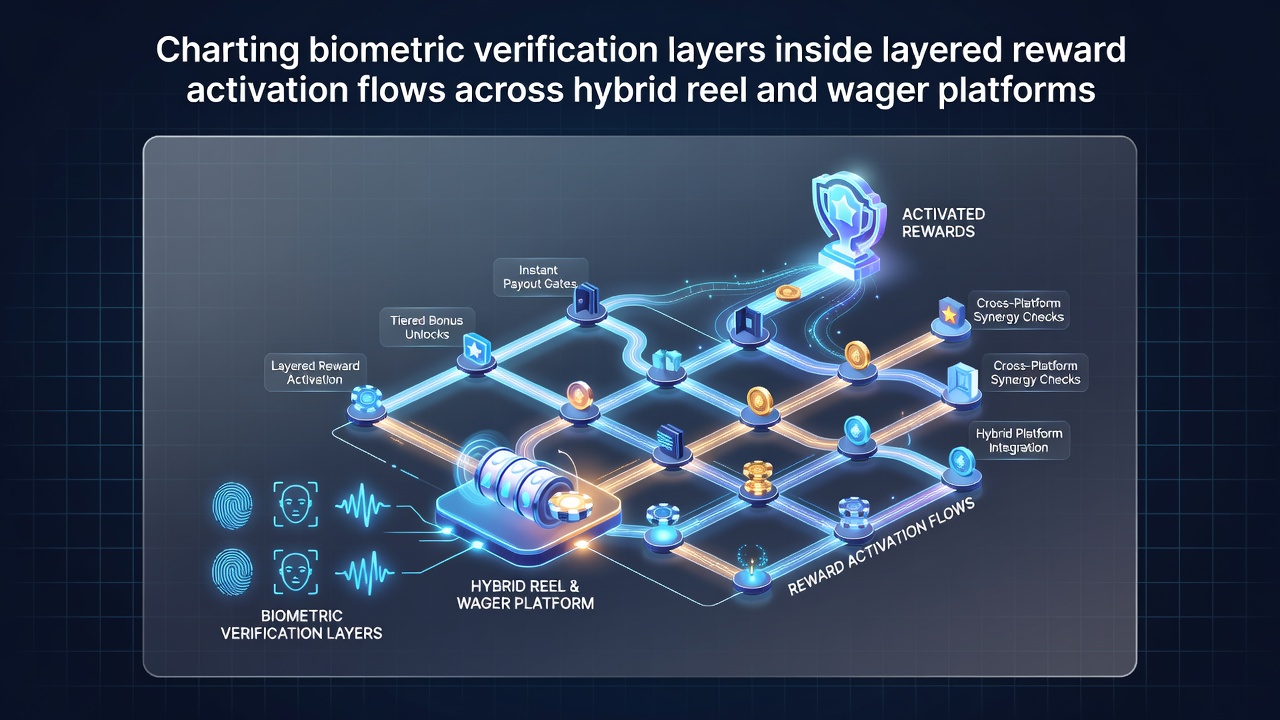
Hybrid reel and wager platforms combine slot mechanics with sports and event betting into unified user experiences, and biometric verification now sits at multiple checkpoints within those systems. Operators deploy facial recognition, fingerprint scanning, and behavioral biometrics to confirm identity before rewards activate, and the process unfolds across sequential layers rather than single gates. Data from platform operators shows these layered approaches reduce unauthorized access attempts while maintaining continuous session flow.
Platform architectures typically separate initial account validation from subsequent reward triggers. Users complete enrollment once with a primary biometric marker such as facial geometry captured through device cameras, after which the system stores encrypted templates on secure servers. Subsequent logins or high-value actions require matching against stored data, and reward claims add secondary checks that include liveness detection to confirm real-time presence.
Core Components of Biometric Layers
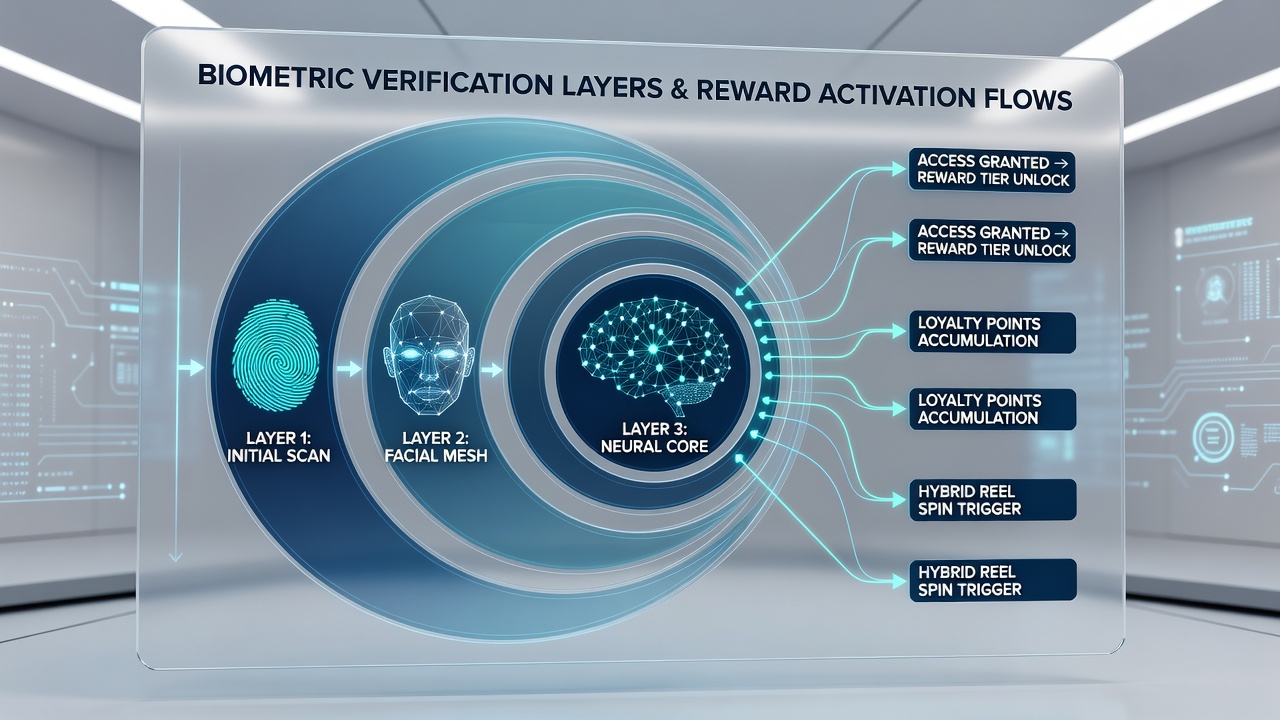
Three primary verification tiers appear across most hybrid deployments. The base layer handles account access and initial deposit processing, while the middle layer gates bonus eligibility and loyalty point redemptions, and the top layer authorizes large payouts or cross-product transfers between reel and wager balances. Each tier draws from overlapping but distinct data sets, with behavioral signals such as swipe patterns and session timing supplementing physical biometrics.
Technical standards developed by industry groups require encryption of biometric templates separate from payment data, and compliance audits conducted in multiple jurisdictions confirm that platforms maintain segregated storage environments. Figures from North American operators indicate that multi-layer systems process verification requests in under two seconds on average when device hardware meets minimum specifications.
Reward Activation Sequences in Practice
Reward flows begin when a player completes a qualifying reel spin or wager settlement. The platform routes the event through an activation engine that queries the appropriate biometric tier based on reward value and account history. Low-tier rewards may clear with a passive behavioral match, whereas premium activations prompt an active facial scan or fingerprint prompt before crediting.
Cross-platform transfers introduce additional complexity. When credits move from a slot balance to a sports wager wallet, the system re-validates identity at the transfer threshold, and logs record both the biometric match score and the transaction metadata. Observers note that this structure prevents automated scripts from exploiting promotional mechanics across product types.
Regional Adoption Patterns Through Mid-2026
North American operators expanded biometric integration following regulatory guidance issued in early 2026, and European platforms followed similar timelines under existing data protection frameworks. Reports compiled by the International Gaming Institute at UNLV document that 68 percent of surveyed hybrid platforms had implemented at least two biometric tiers by July 2026. Australian regulators tracked parallel growth through the Victorian Commission for Gambling and Liquor Regulation, where operators reported a 41 percent drop in disputed reward claims after full deployment.
Device compatibility remains a limiting factor in some markets. Mobile applications handle the majority of verifications through built-in sensors, yet desktop sessions often route users to secondary mobile confirmation steps. Platform logs reveal that fallback procedures using one-time passcodes maintain access rates above 99 percent even when primary biometric matches fail due to lighting or hardware conditions.
Security Metrics and Compliance Tracking
Independent testing laboratories measure false acceptance rates below 0.01 percent across production systems when multiple layers operate in sequence. Risk models adjust thresholds dynamically based on account age, transaction velocity, and geographic signals, and operators publish aggregated statistics to oversight bodies on quarterly schedules. The New Jersey Division of Gaming Enforcement requires these submissions as part of ongoing licensing conditions.
Integration between reel and wager modules demands synchronized timing so that a biometric confirmation on one product remains valid for reward activation on the other within defined windows. Session management protocols enforce these windows automatically, and audit trails capture every verification event for regulatory review.
Conclusion
Biometric verification now forms an embedded component of reward mechanics rather than an external checkpoint in hybrid reel and wager environments. Layered designs distribute authentication demands across account lifecycle events, and regional data from July 2026 onward shows consistent implementation across major markets. Continued refinement of sensor technology and encryption methods supports ongoing expansion while meeting compliance requirements from multiple oversight agencies.