Adaptive Algorithms Reshaping Risk Thresholds in Hybrid Wager and Reel Ecosystems
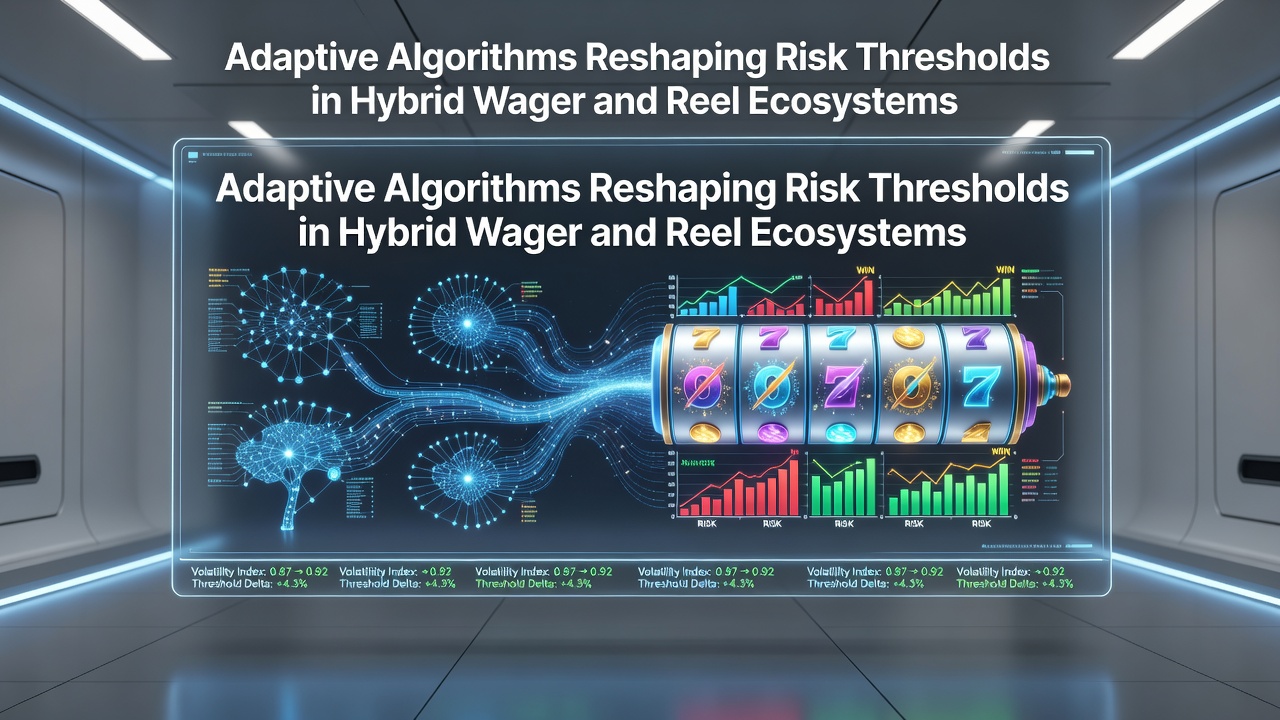
Adaptive algorithms now monitor and recalibrate risk thresholds across platforms that blend sports wagers with reel-based games, creating unified ecosystems where decisions on one side influence limits on the other. These systems rely on machine learning models that process live transaction streams, player behavior patterns, and external market signals to adjust exposure levels in real time. Operators deploy them to maintain balance between payout obligations and revenue stability while meeting regulatory reporting standards.
Core Mechanics of Algorithm-Driven Adjustments
Models ingest data from multiple sources including bet volumes, reel spin outcomes, deposit frequencies, and session durations before generating updated risk parameters. When a cluster of high-value wagers coincides with elevated reel activity on linked accounts, the algorithm raises or lowers individual thresholds to keep aggregate exposure within predefined corridors. Such adjustments occur continuously rather than at fixed intervals, allowing platforms to respond to sudden shifts without manual intervention.
Engineers train these models on historical datasets that span years of cross-product activity, incorporating variables such as time-of-day patterns and regional event calendars. Once deployed, the algorithms continue to refine their own weighting through reinforcement loops that reward accurate predictions of volatility spikes. This self-updating process distinguishes current deployments from earlier static rule sets that required periodic human review.
Integration Across Hybrid Platforms
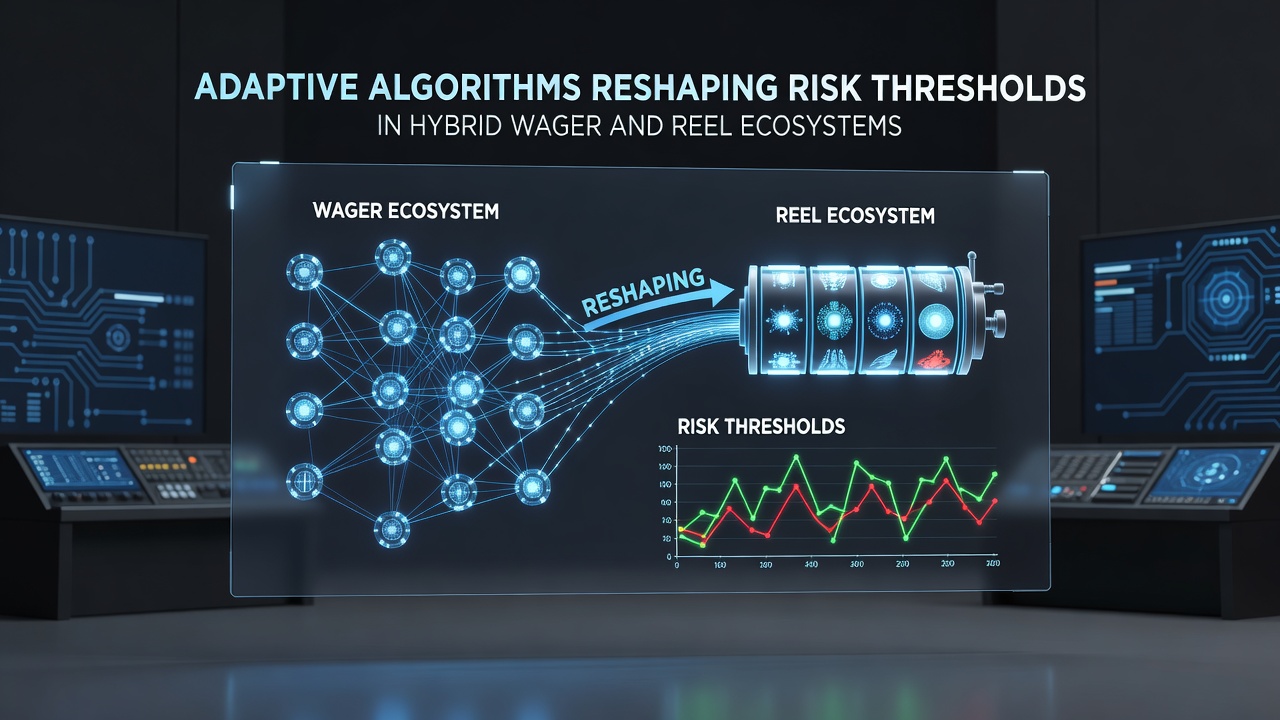
Hybrid environments connect sportsbooks directly to slot and video reel servers through shared user profiles and unified wallets. An algorithm therefore evaluates risk not only within a single vertical but across the combined ledger. For instance, a sequence of successful parlay bets can trigger tighter reel bet limits for the same account, while prolonged low-volatility reel sessions may prompt relaxed wager caps on upcoming sports events.
Platform operators report that these linkages reduce instances of isolated high-risk clusters that previously escaped notice when products operated in separate silos. Data pipelines feed both live and batch records into central processing nodes, ensuring that threshold changes propagate within milliseconds across all connected games. In June 2026, several multi-state operators confirmed expanded deployment of these synchronized controls following infrastructure upgrades completed earlier in the year.
Regulatory Reporting and Compliance Implications
Regulators require detailed logs of every threshold modification along with the input variables that prompted each change. Jurisdictions such as Pennsylvania and New Jersey mandate that operators submit monthly summaries demonstrating how algorithms maintained compliance with house-edge and player-fund protection rules. The American Gaming Association has published guidance documents outlining minimum audit trails for machine-learning components used in risk systems.
International frameworks add further layers. Authorities in New South Wales, Australia, require independent verification that adaptive models do not inadvertently discriminate against player segments when recalculating limits. Operators therefore maintain parallel oversight committees that review algorithm outputs against demographic fairness metrics on a quarterly basis. These reviews supplement the automated monitoring that runs continuously inside the platforms themselves.
Observed Performance Patterns
Industry datasets indicate measurable reductions in variance of daily loss ratios after adaptive systems reached full operational status. One multi-jurisdiction operator documented a 14 percent contraction in the standard deviation of net gaming revenue across its hybrid portfolio within the first six months of deployment. Similar patterns appear in reports filed with state gaming boards, though exact figures vary by market size and product mix.
Security teams note that the same algorithmic layer also flags anomalous transaction sequences that fall outside normal behavioral envelopes. When coordinated activity across wager types exceeds historical baselines, the system escalates alerts to compliance staff while simultaneously tightening thresholds to limit further accumulation. This dual function merges risk management with fraud detection within a single processing framework.
Technical Infrastructure Requirements
Implementation depends on low-latency data fabrics that link front-end gaming servers to centralized analytics clusters. Cloud-based GPU arrays handle the intensive matrix calculations required for real-time inference, while edge caches store pre-computed parameter tables for immediate application during peak traffic periods. Redundancy protocols ensure that threshold decisions remain available even if primary nodes experience outages.
Database schemas now include dedicated fields for algorithm version identifiers and confidence scores attached to each threshold change. These metadata elements enable post-event reconstruction of decision paths during regulatory examinations or internal audits. Storage costs have risen accordingly, yet operators offset part of the increase through reduced manual review workloads.
Conclusion
Adaptive algorithms continue to evolve the way risk thresholds are calculated and applied inside platforms that combine wager and reel products. Their capacity to process live data streams across product lines and adjust parameters automatically has altered operational workflows for both compliance and revenue teams. As reporting standards mature and infrastructure investments accumulate, the scope of these systems is expected to expand into additional game categories and geographic markets.